Dirkschneider: Balls to the wall 40th Aniversary – Final Show at Historische Stadthalle Wuppertal
Homecoming: Udo Dirkschneider Returns to stage in Wuppertal After 43 Years
Stadthalle Wuppertal, September 10, 2026
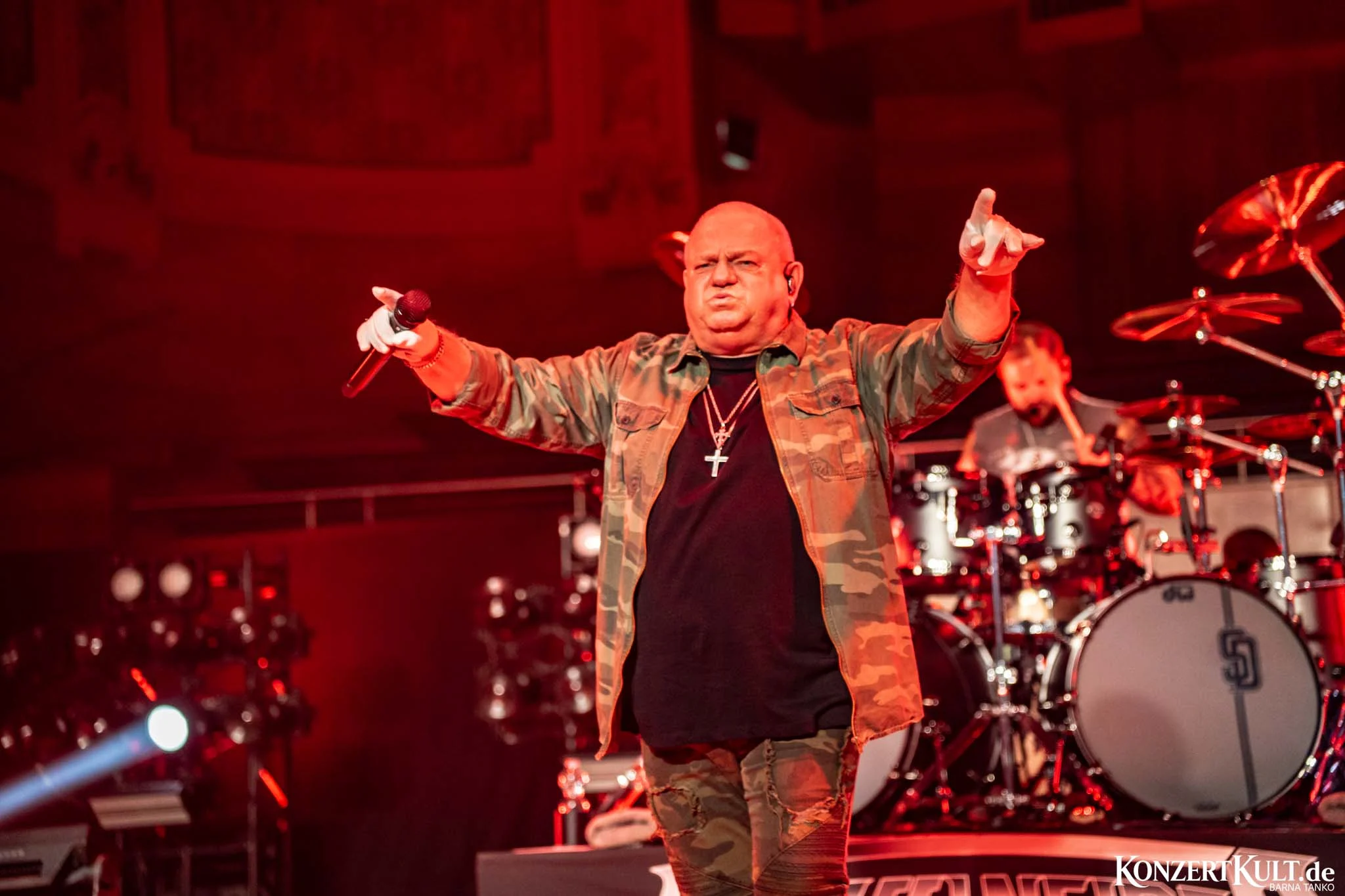
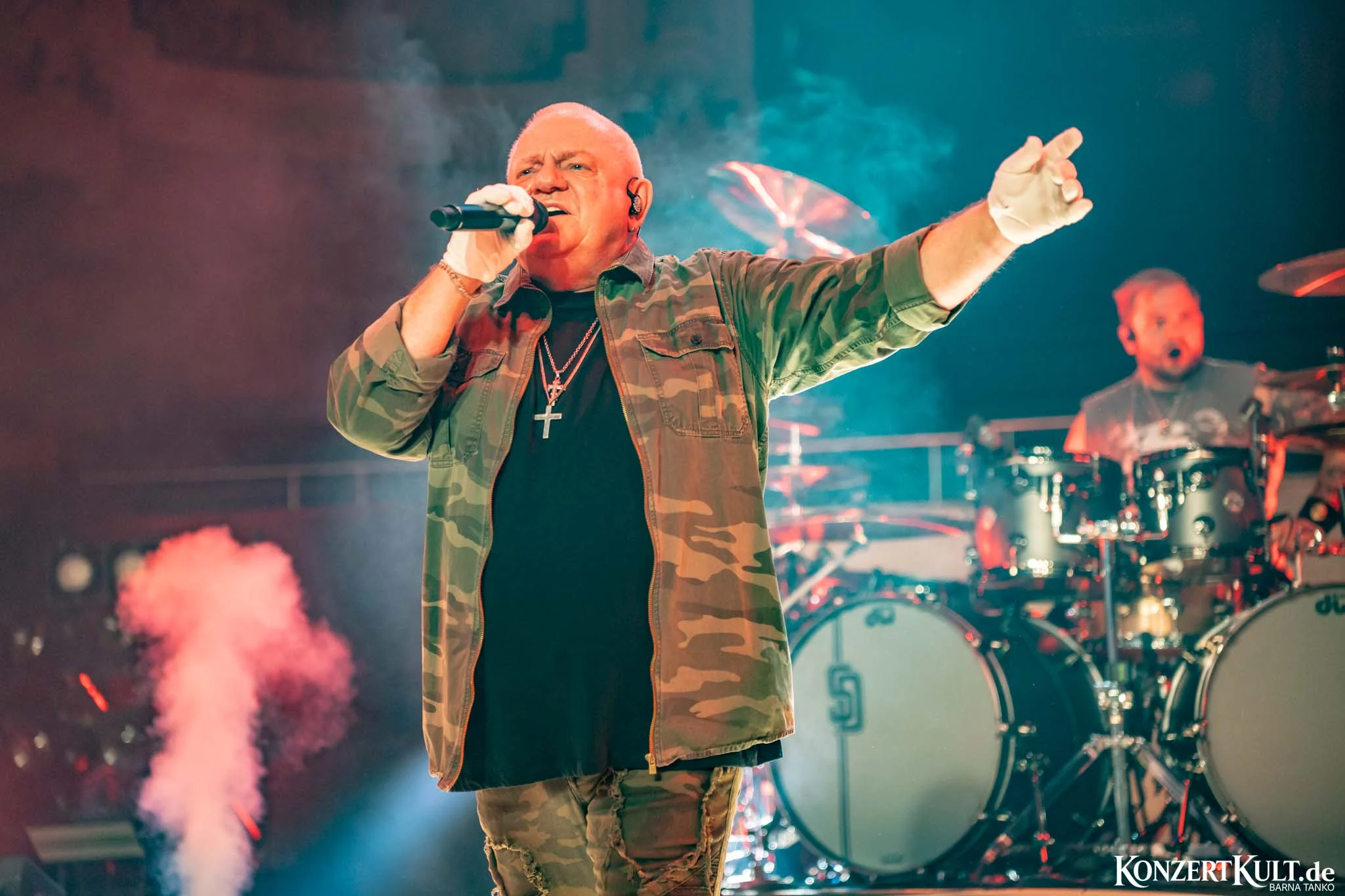
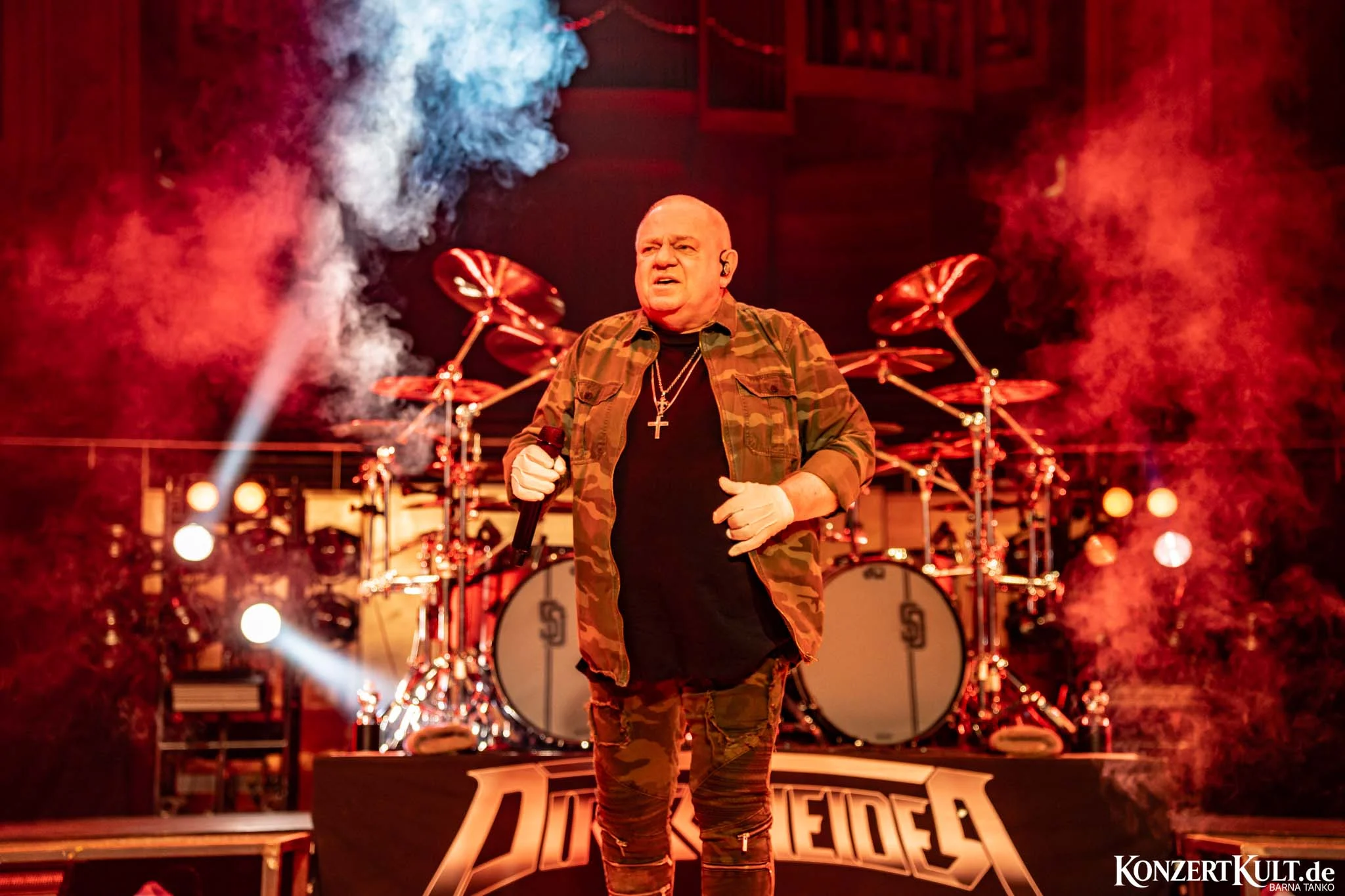
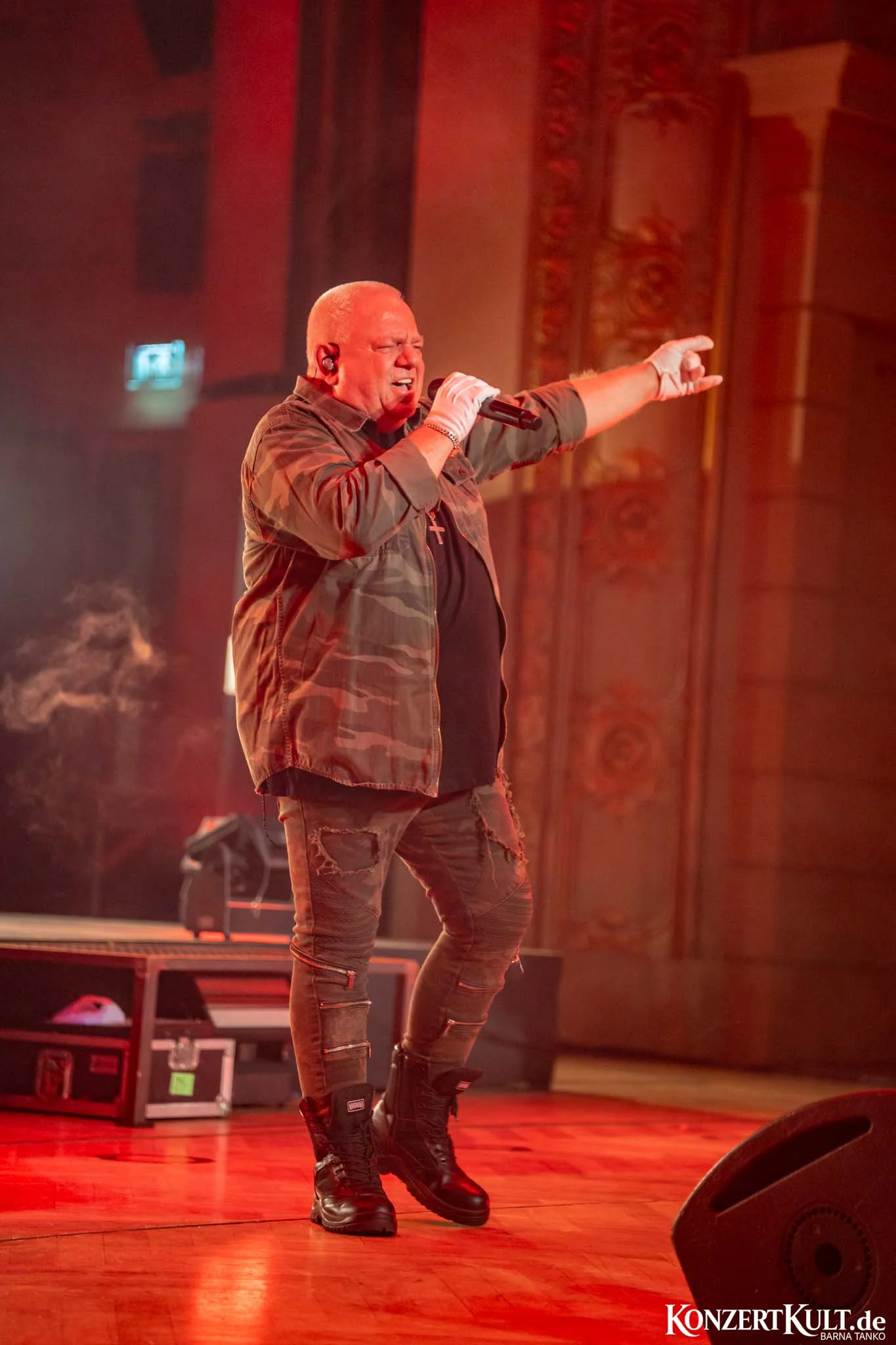
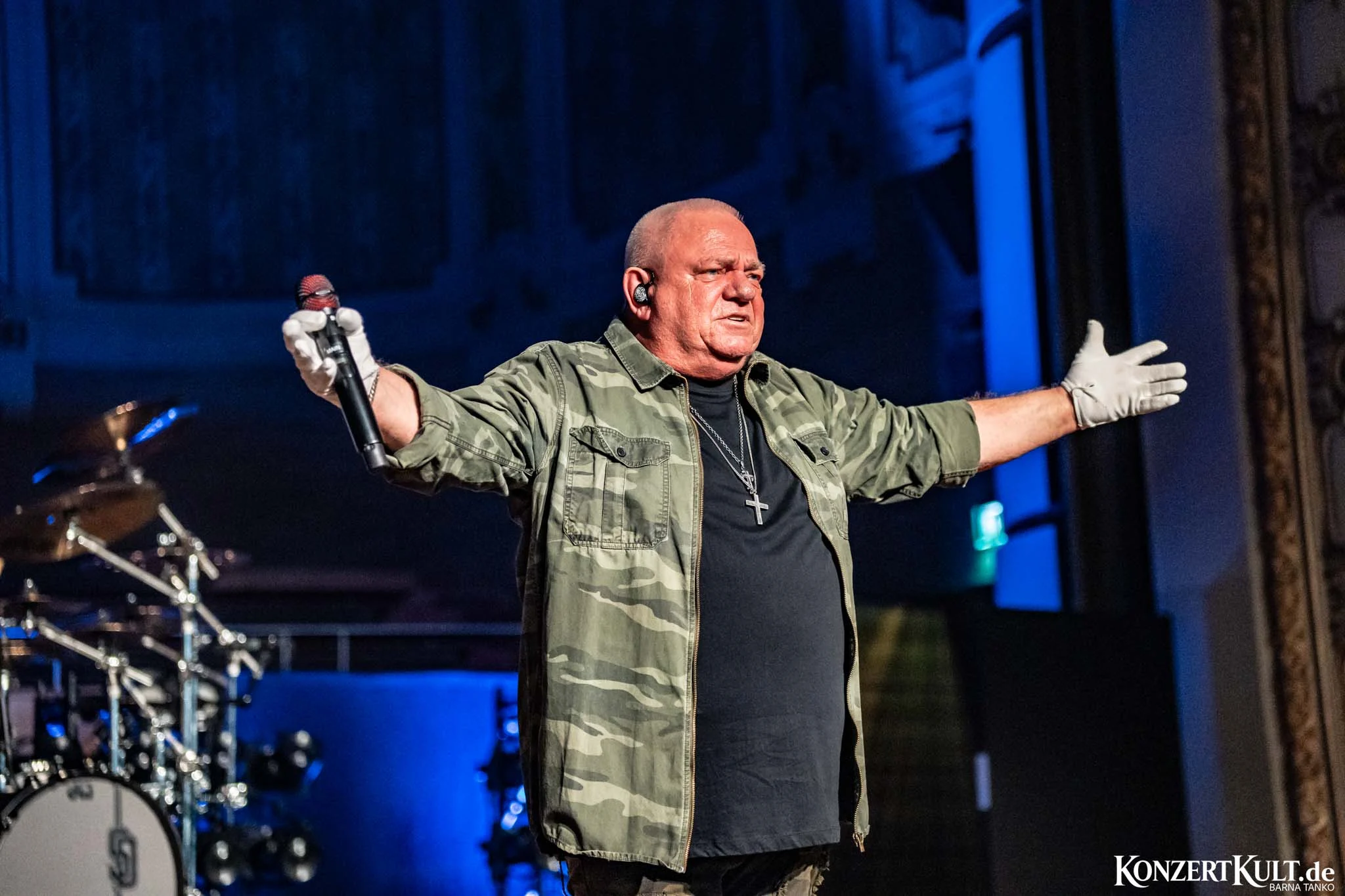
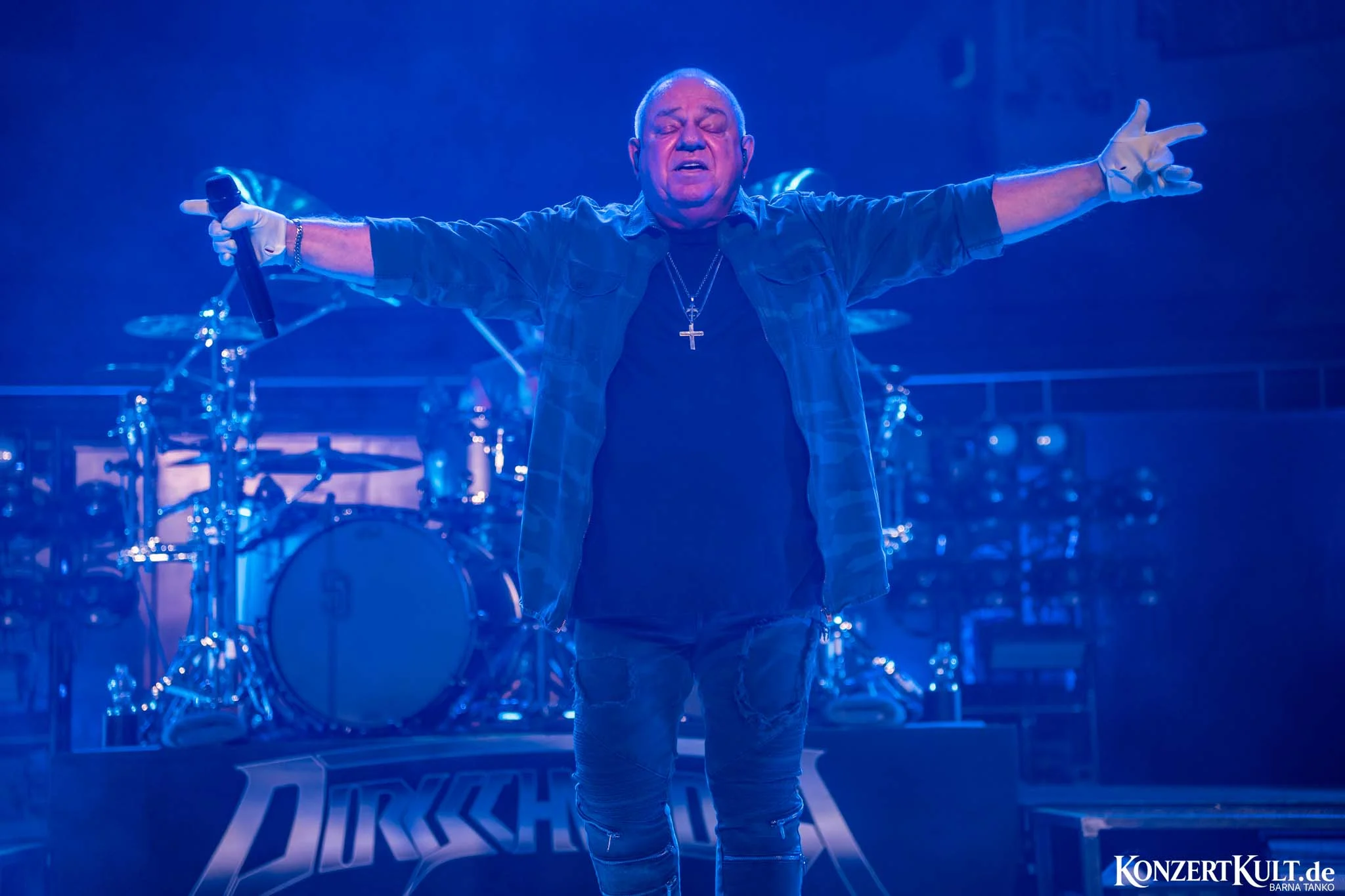
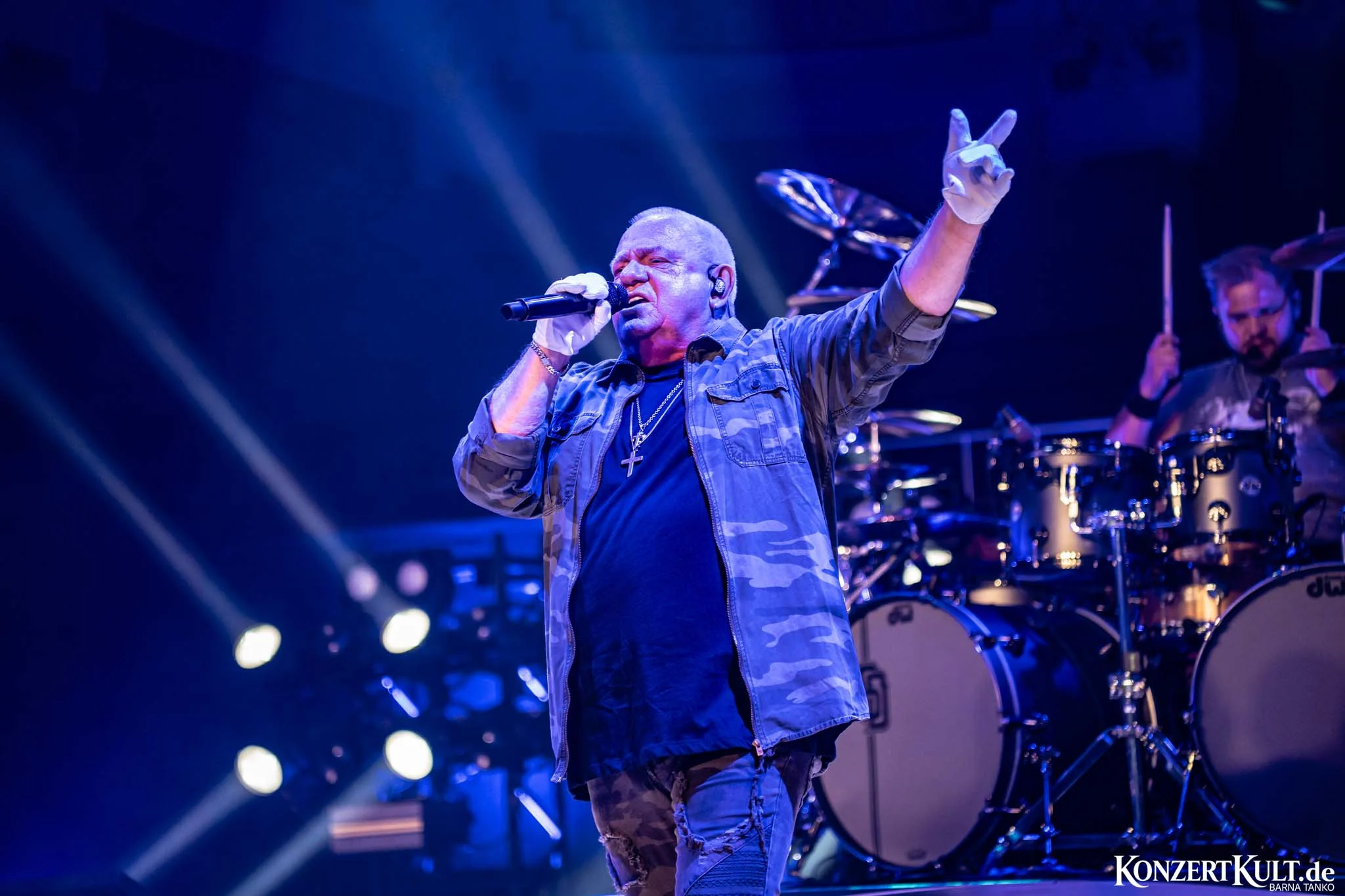
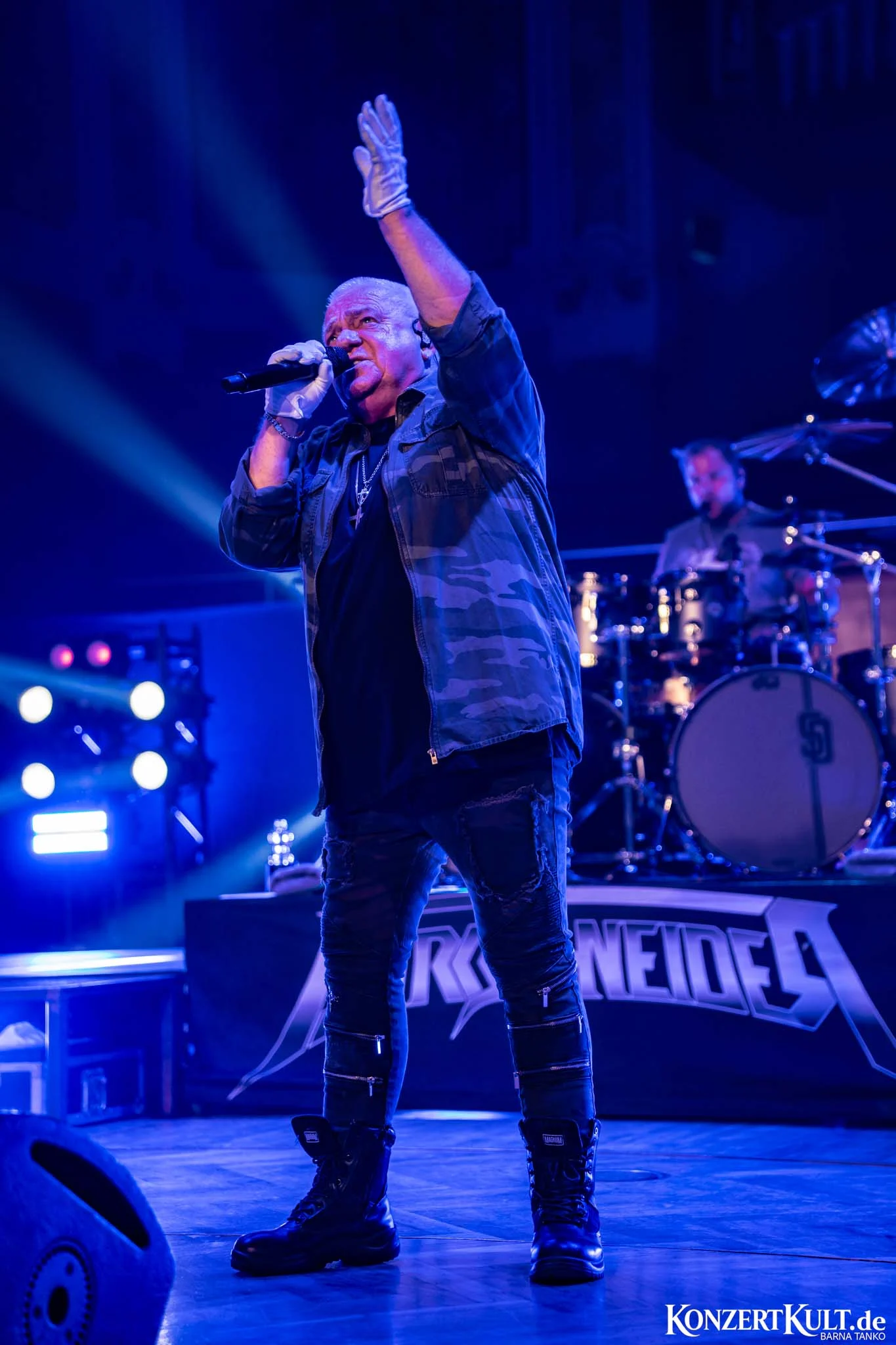
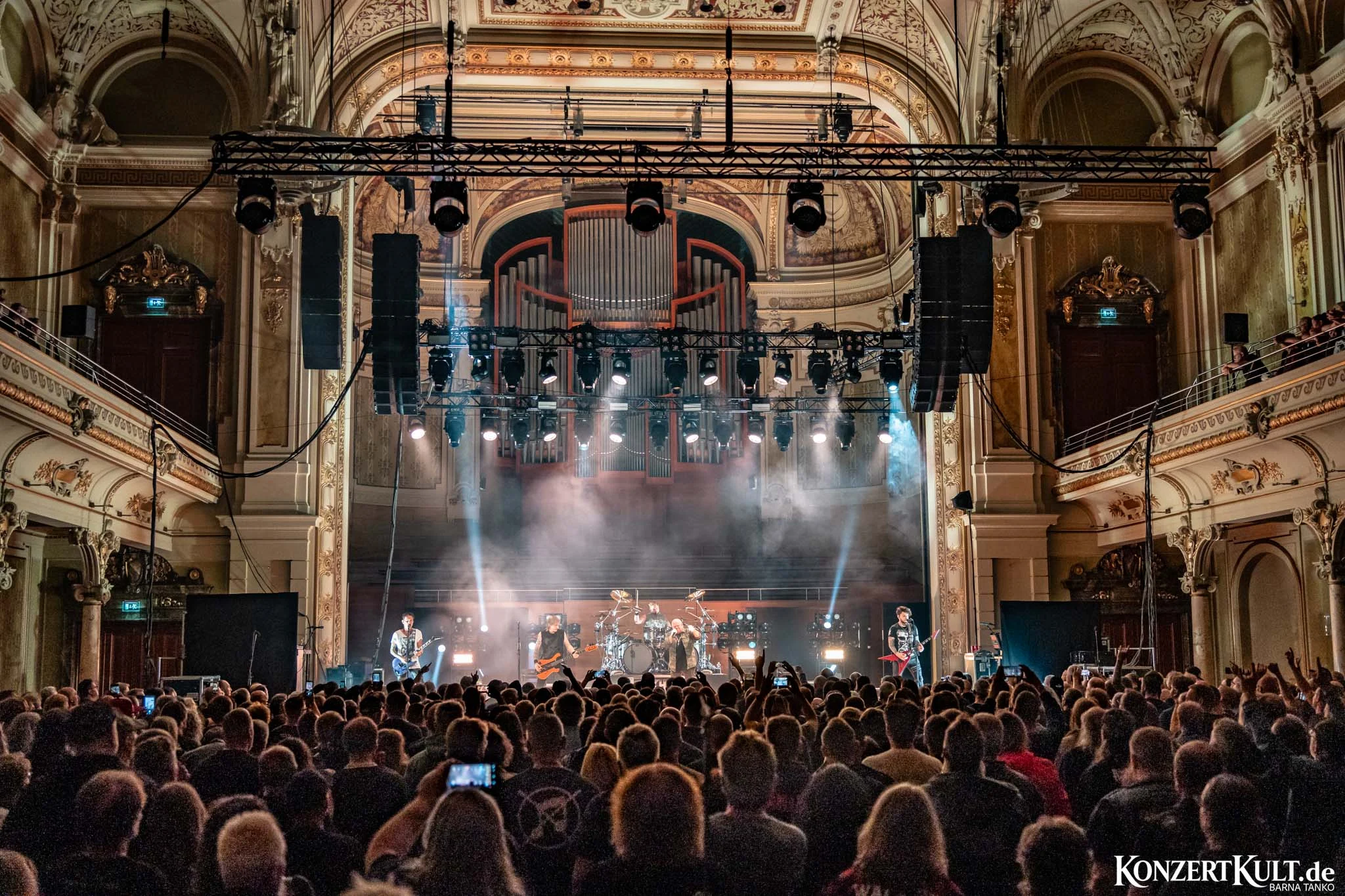
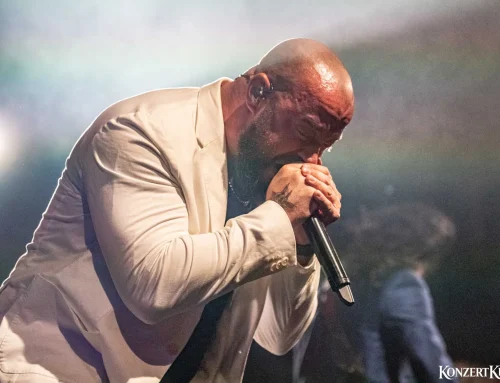
Forty-three years ago, a young Udo Dirkschneider stood on the stage of Wuppertal’s Stadthalle fronting Accept. On September 10, 2026, the now-74-year-old metal icon walked back onto that same stage — this time under his own name, and with a special guest waiting in the wings: Doro Pesch, the reigning Queen of Heavy Metal.
It was billed, rightly, as a homecoming.
A Career Too Big to Summarize
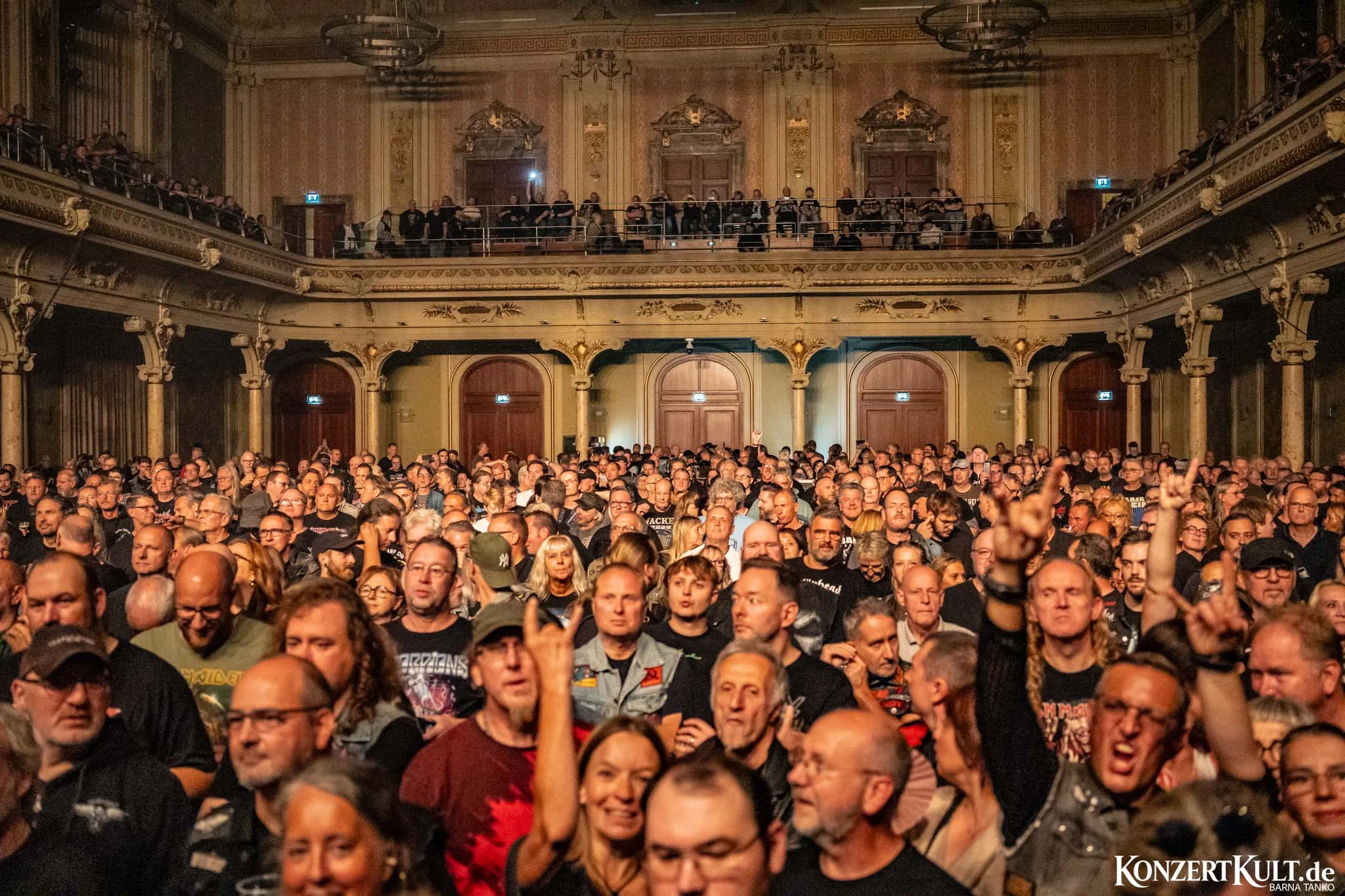
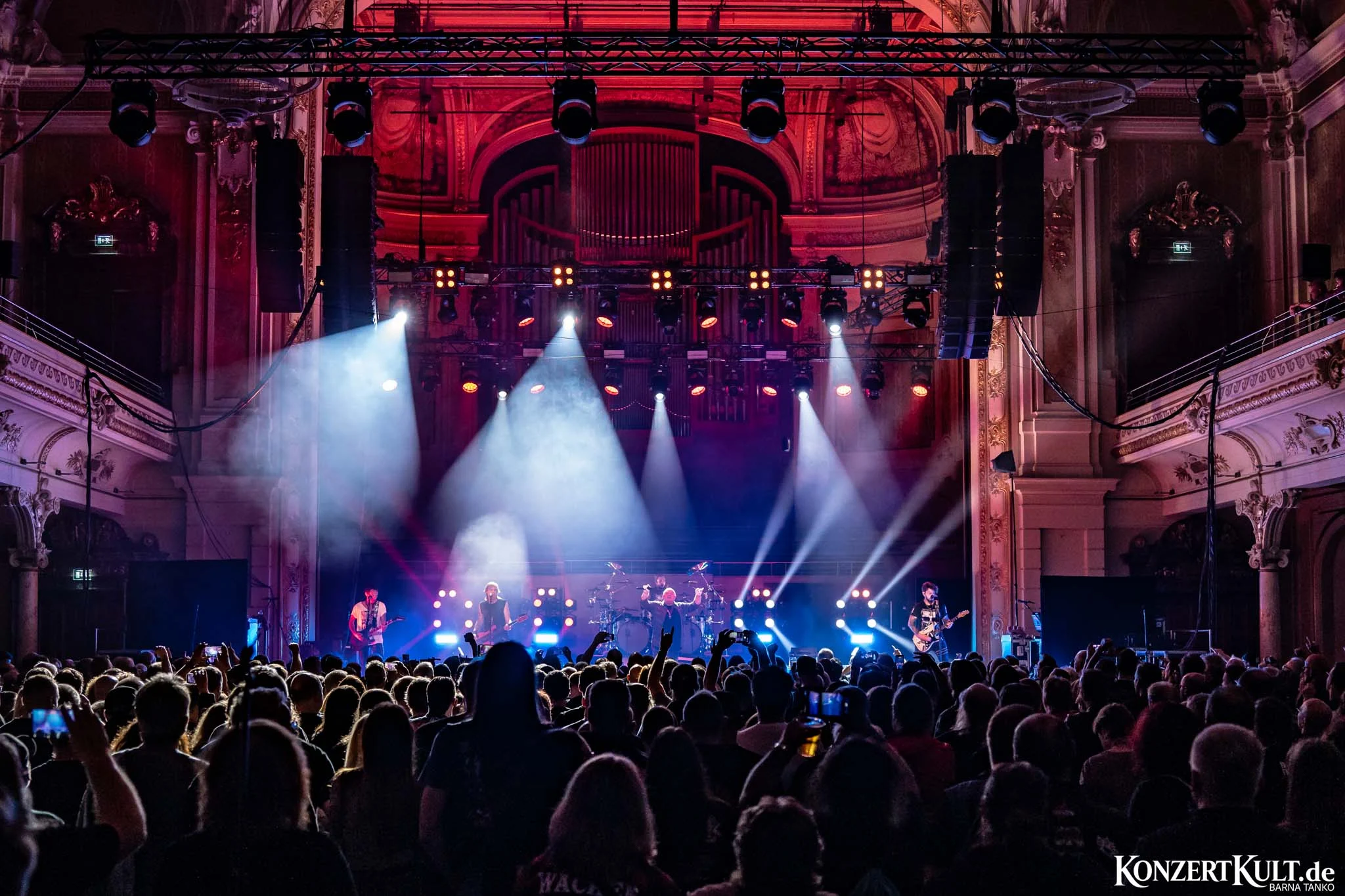
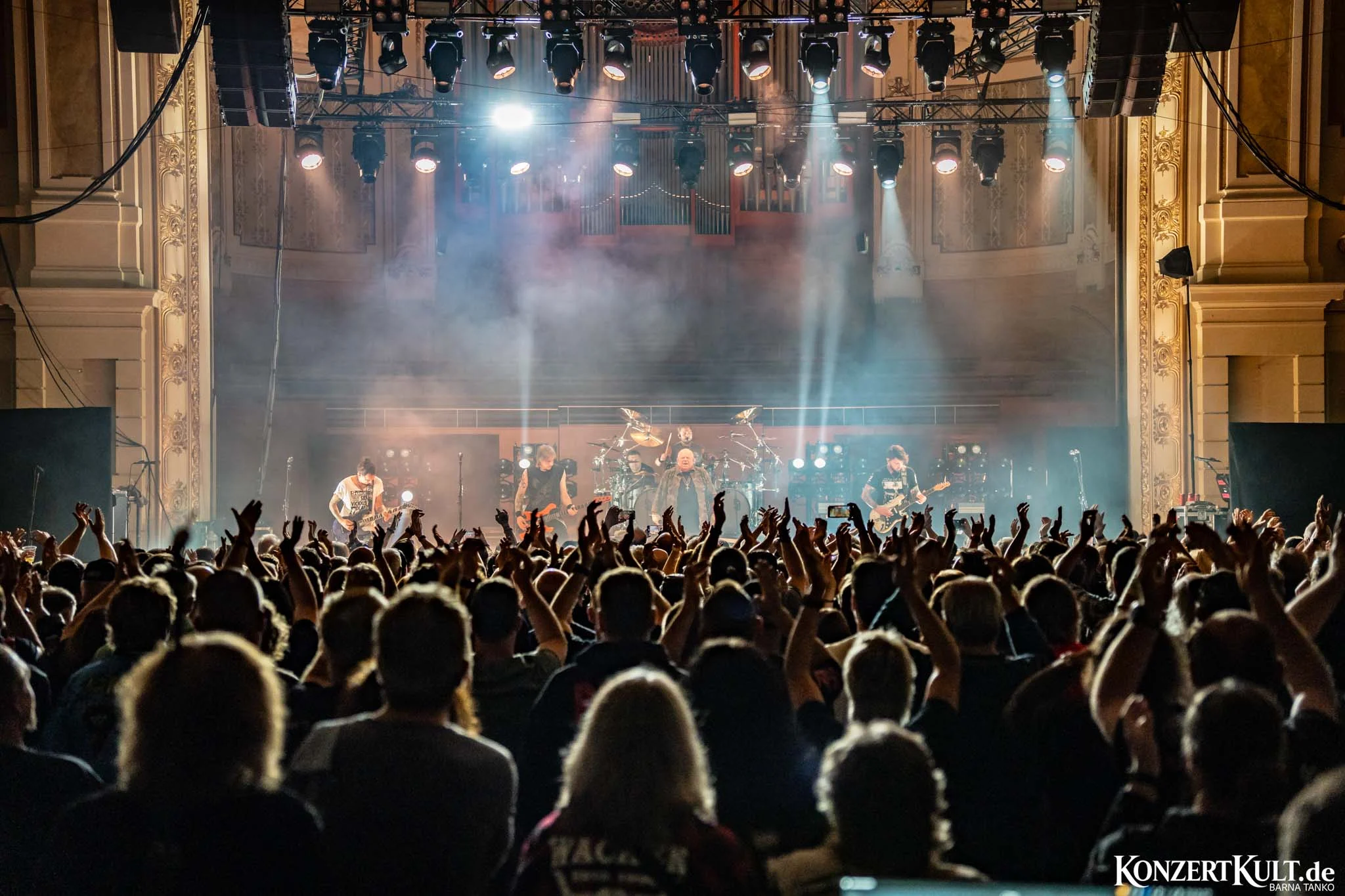
Dirkschneider’s résumé barely needs an introduction at this point: ten studio albums with Accept, nineteen more under U.D.O., and a career stretching close to five decades. Nobody has an exact count of his live shows — estimates land somewhere between 1,500 and 2,000 — but the number itself has stopped mattering. What matters is that he can still hold a room like Wuppertal’s Great Hall, a strikingly ornate space inside the city’s historic Stadthalle that holds roughly 1,800 standing fans. On this night it was filled to about 90 percent capacity, the crowd skewing solidly toward mid-aged men who clearly knew every word coming.
No Opener, No Support Act
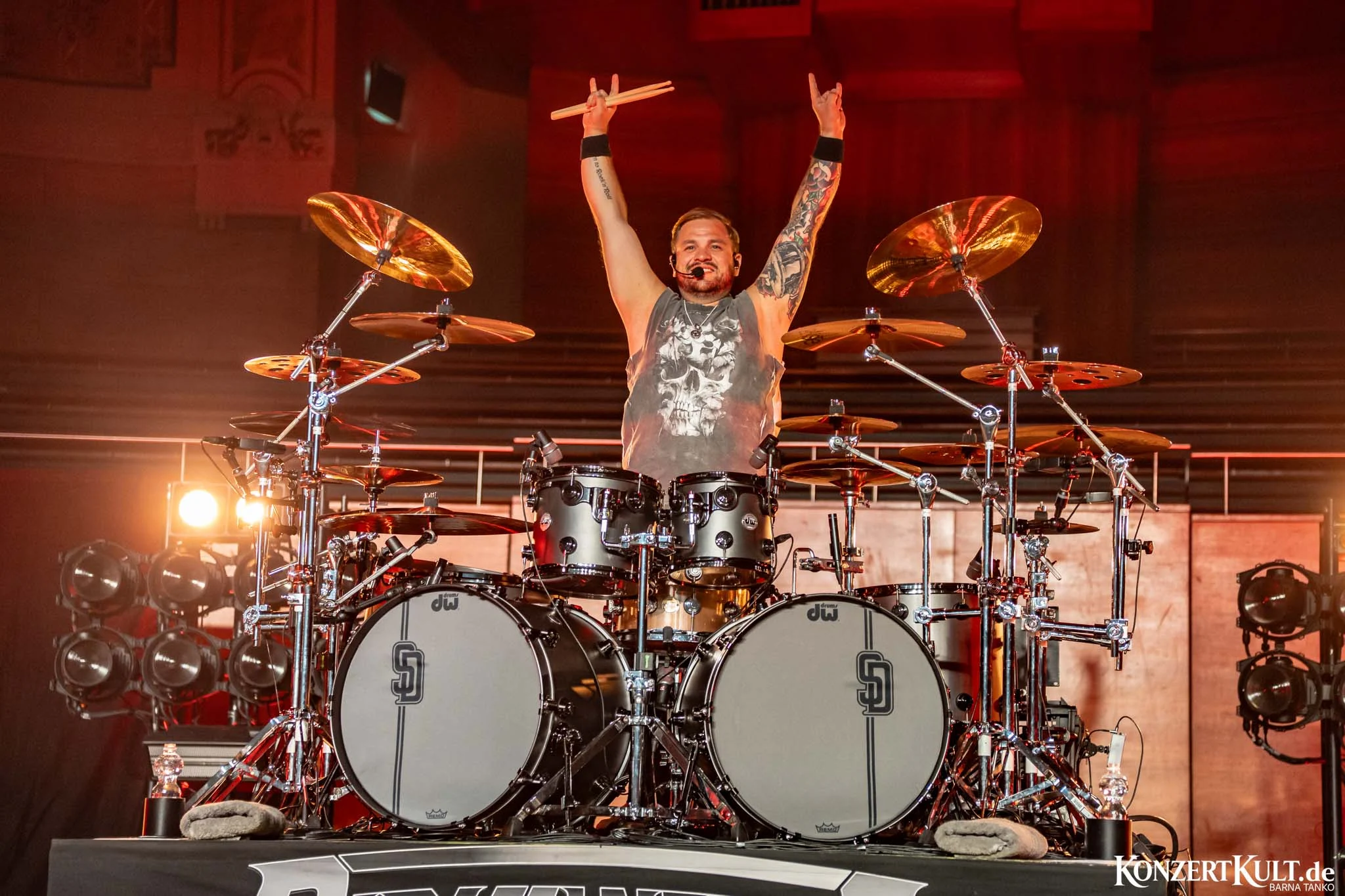
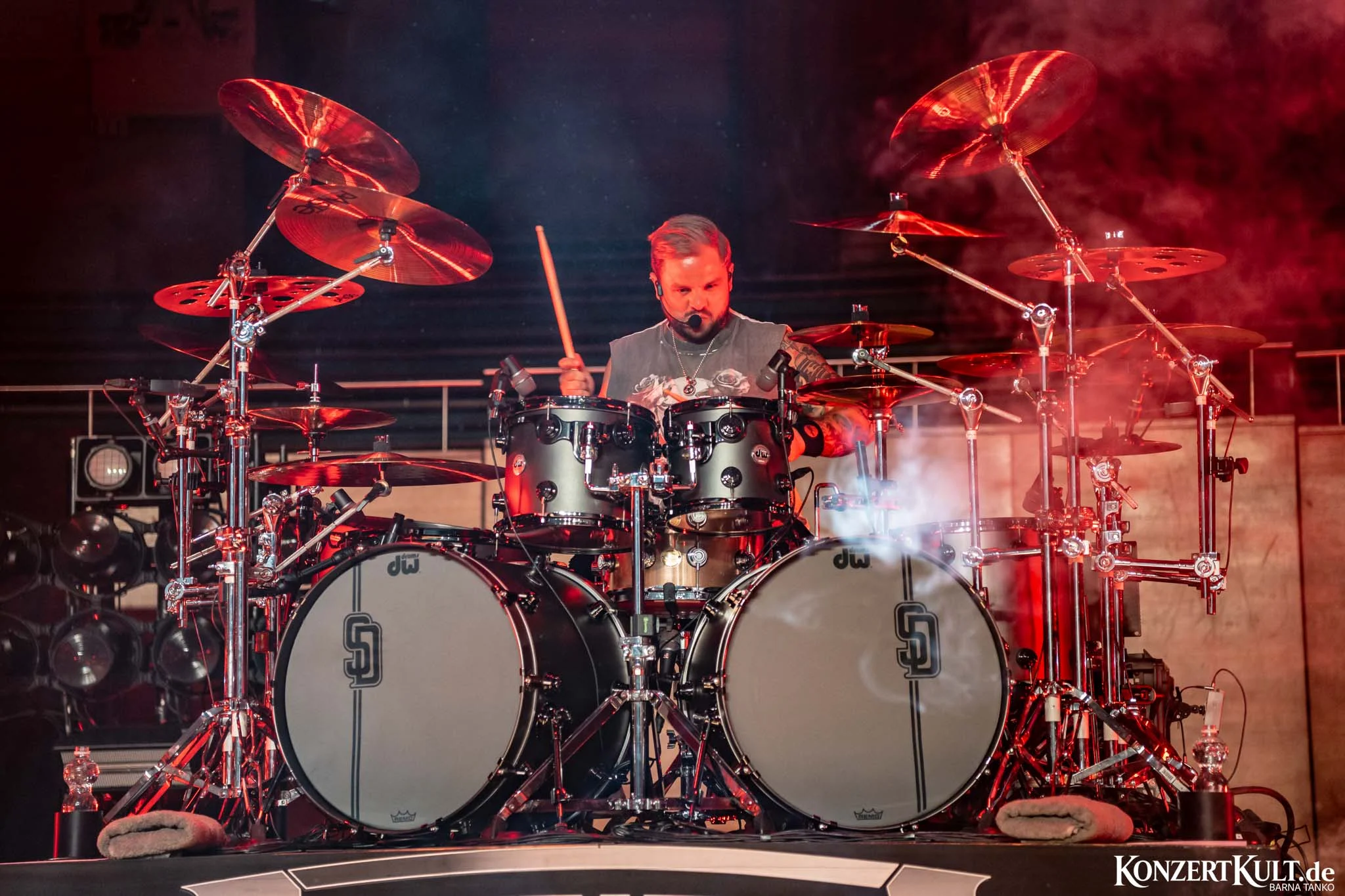
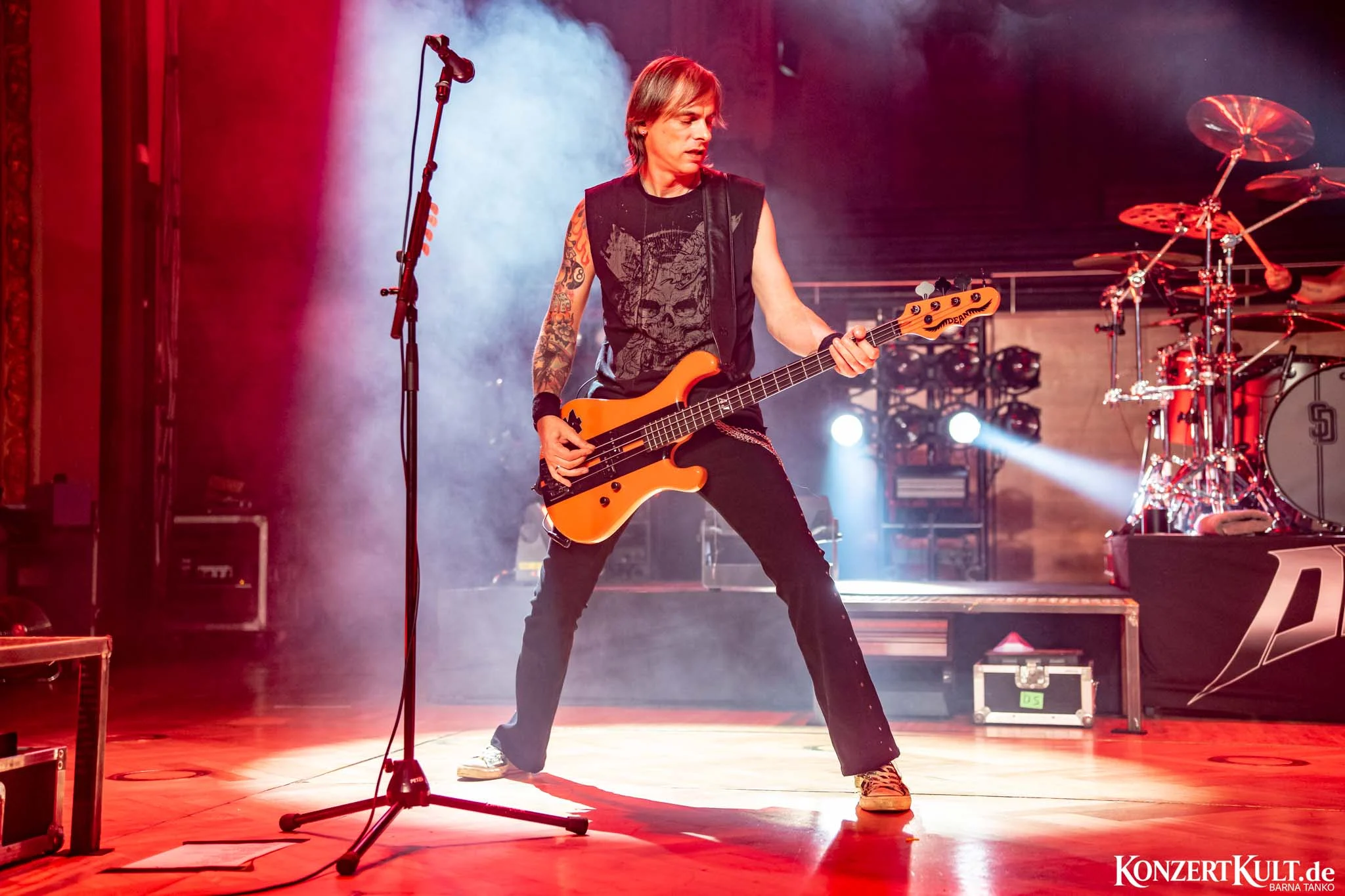
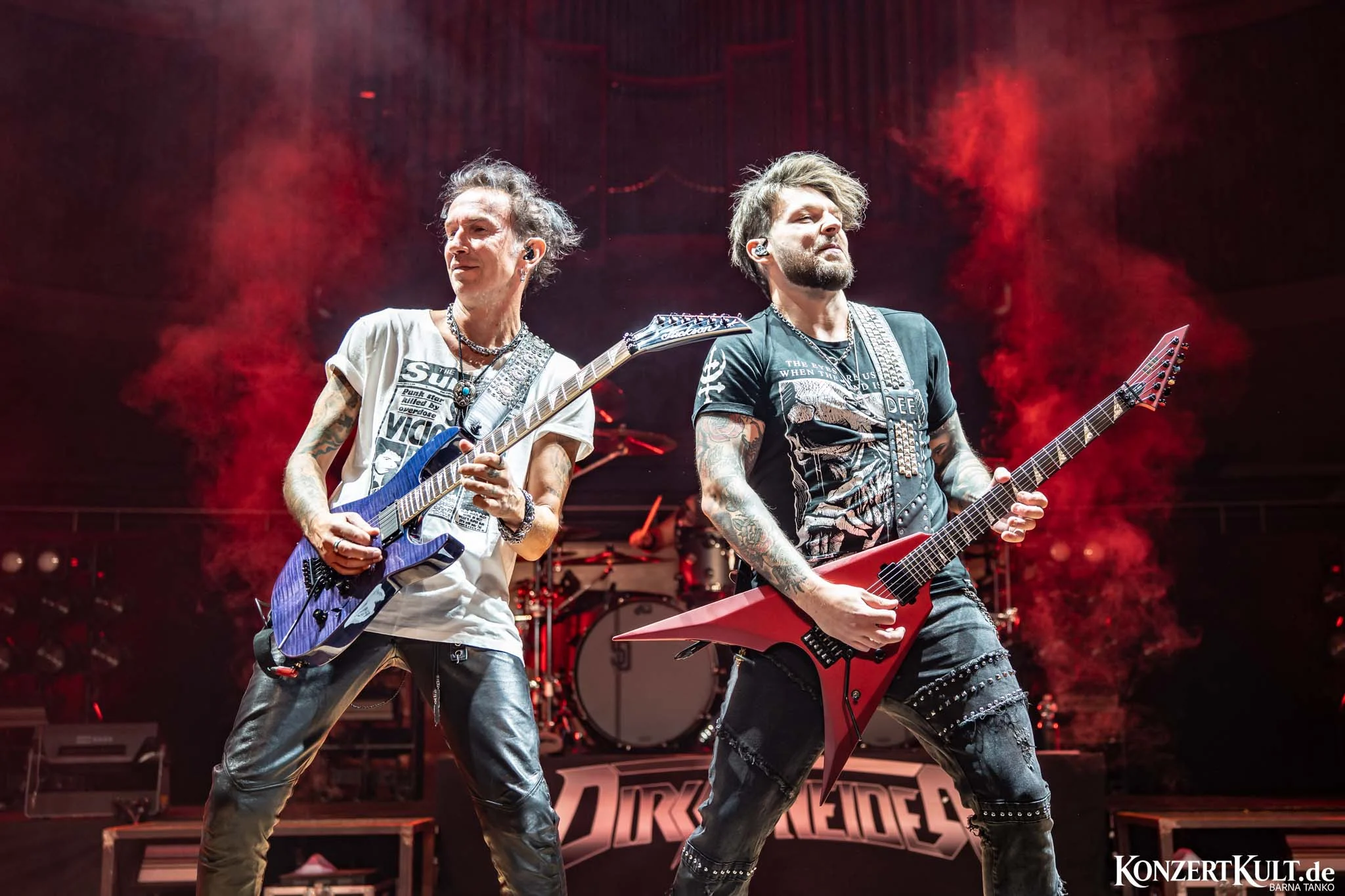
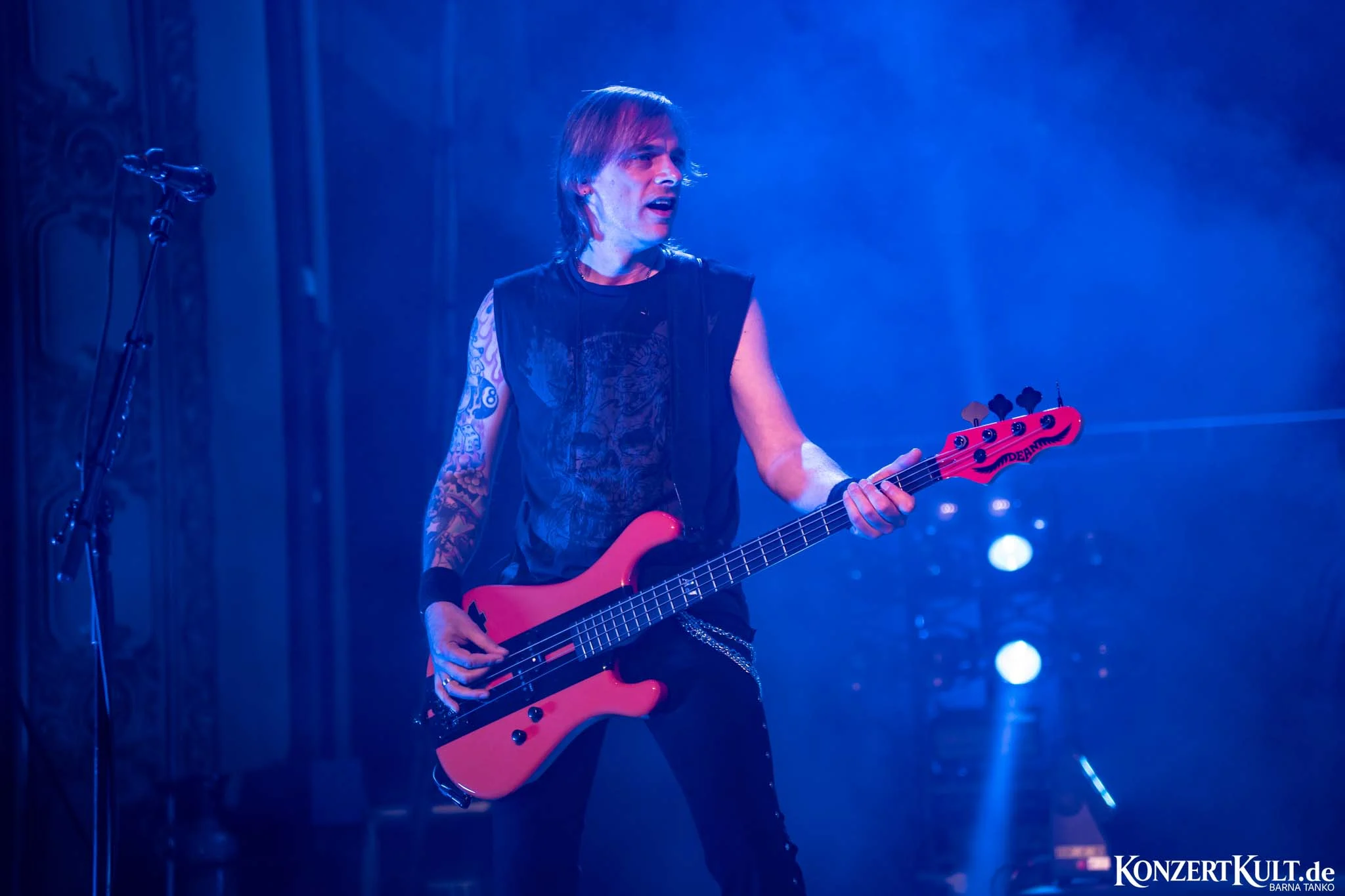
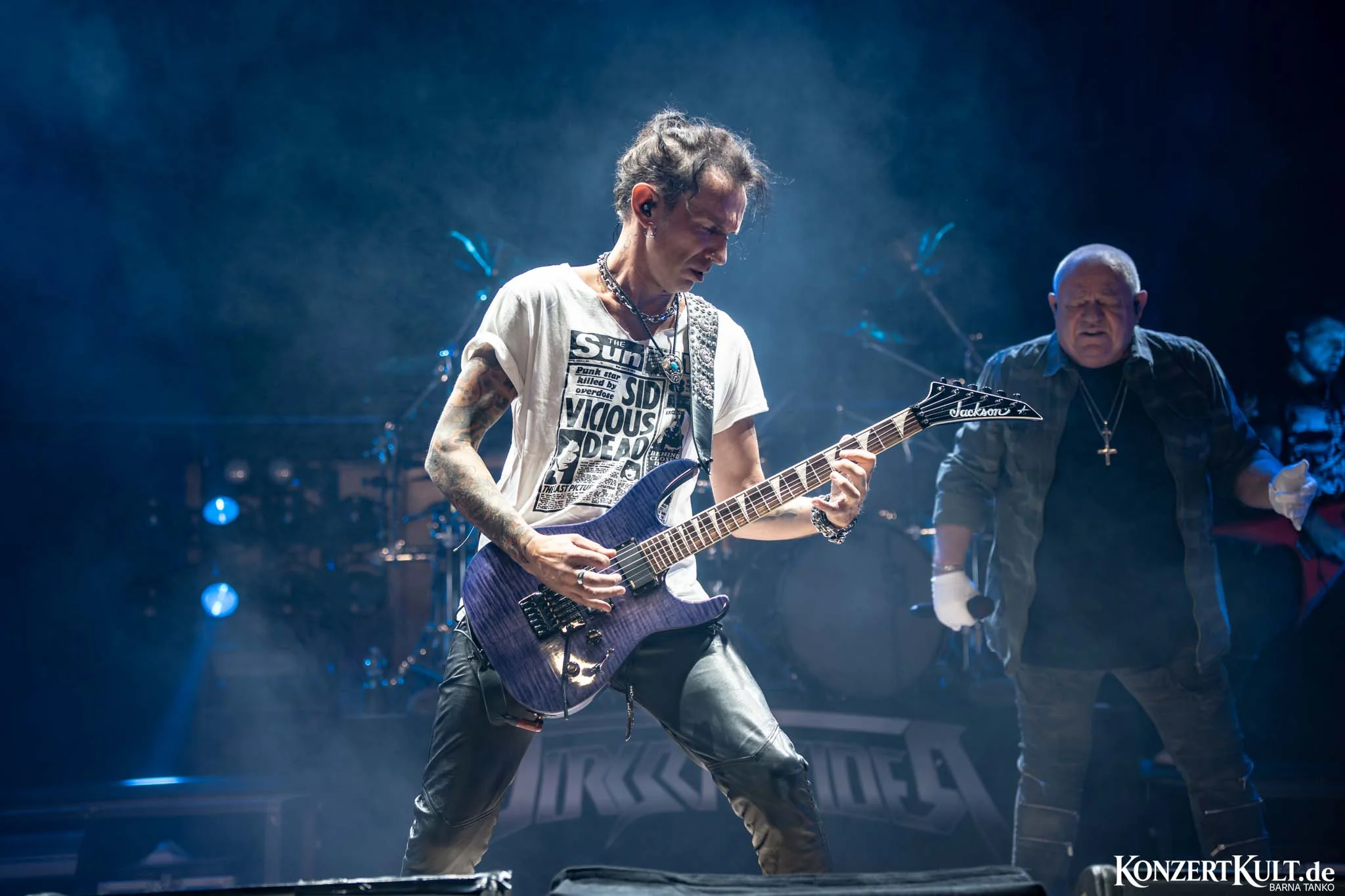
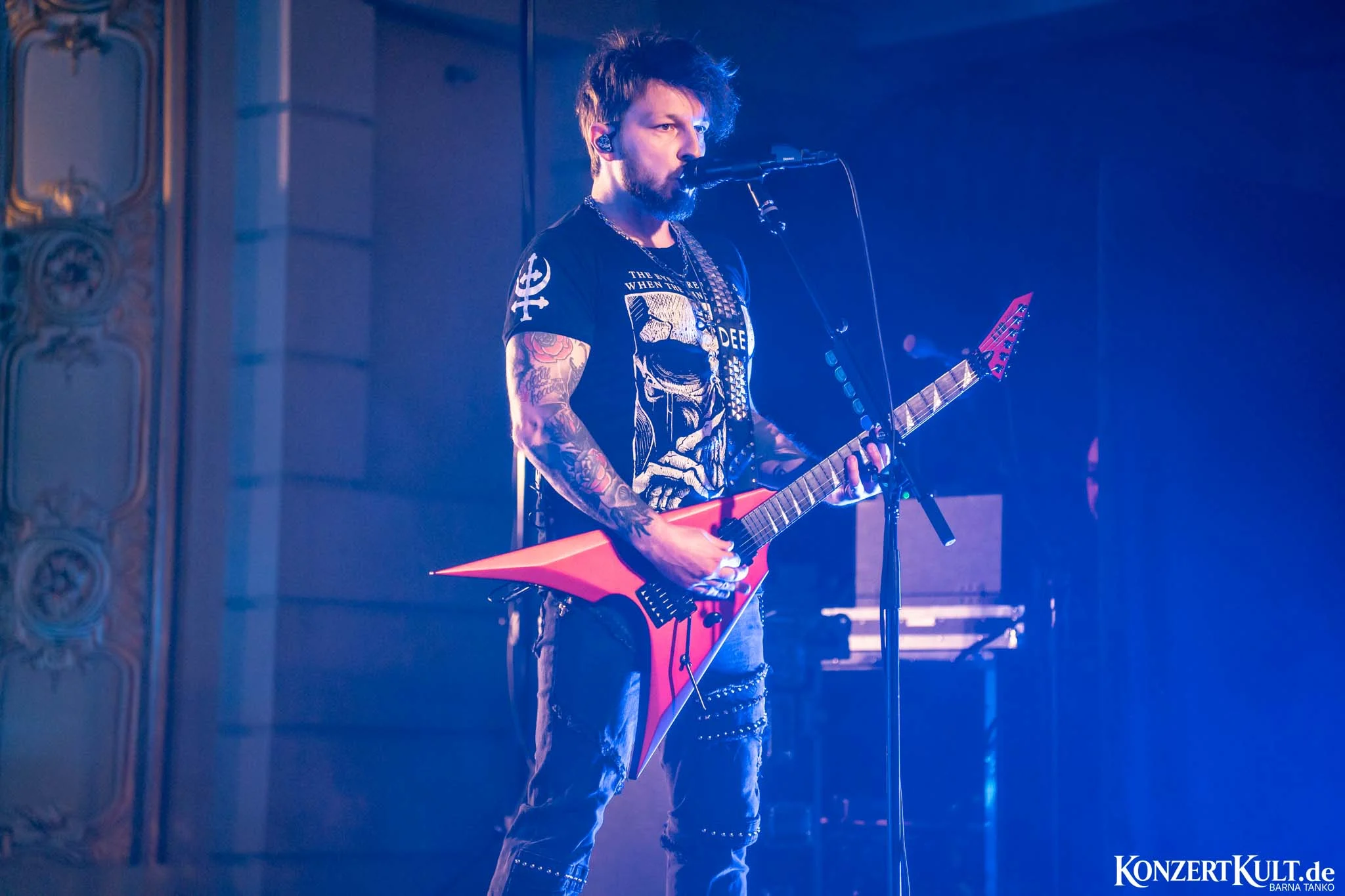
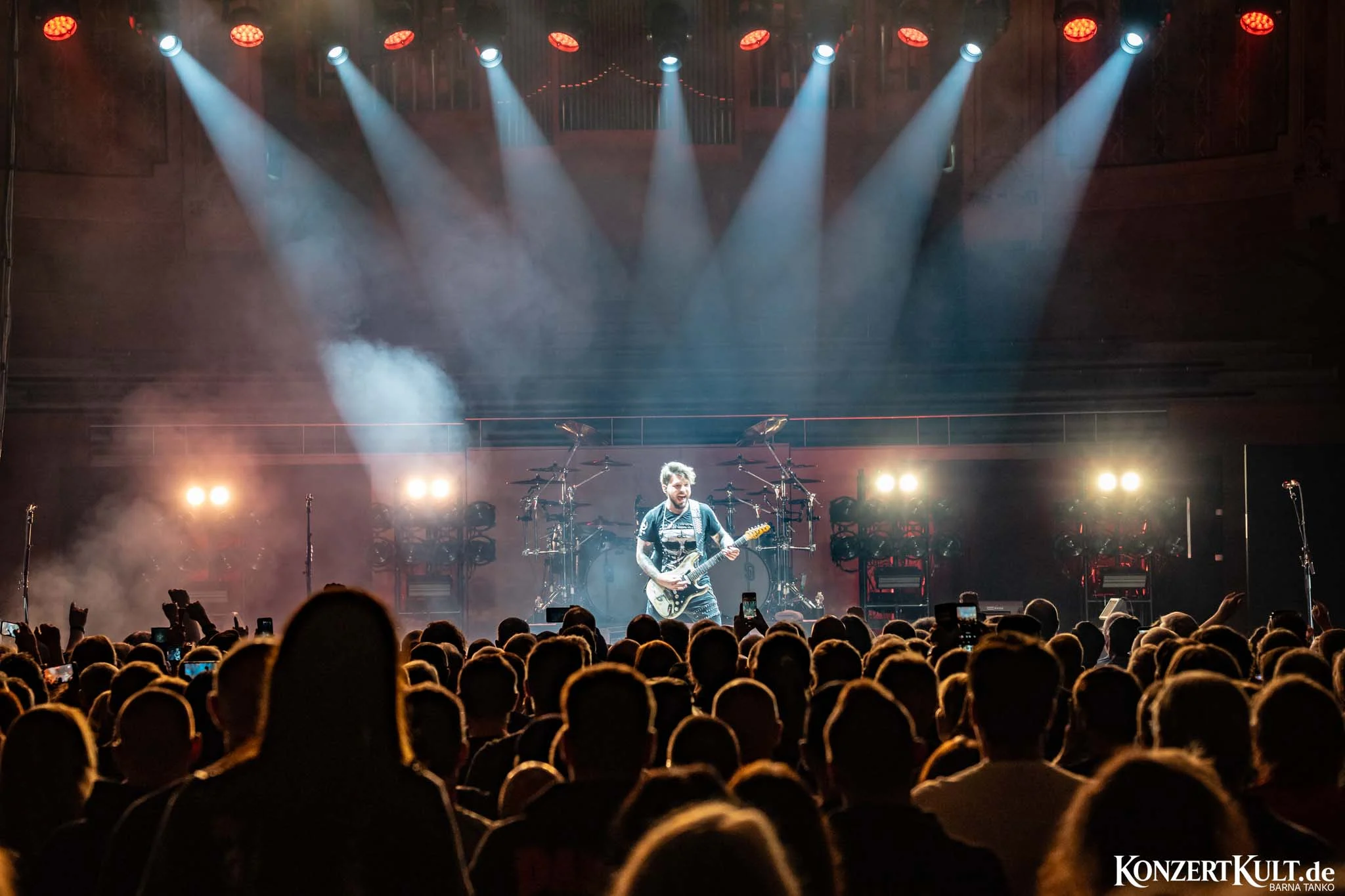
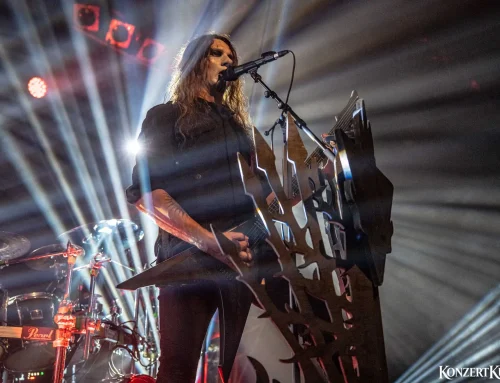
The show kicked off at 8 PM with no support act — just Dirkschneider and his band walking straight into it. He was backed by a tight four-piece lineup: his son Sven Dirkschneider on drums, alongside guitarists Fabian “Dee” Dammers and Alen Brentini. Longtime Accept bassist Peter Baltes was notably absent, sidelined by injuries from a serious stage fall. Dirkschneider is a specific touring moniker he uses when performing special, dedicated sets consisting entirely of classic Accept material. The tour went on for 11 years.
The first half hour belonged to Accept’s back catalog. “Fast As A Shark” opened the night, followed by “Living For Tonite” — which hit a brief snag when the PA cut out for eight to ten seconds in the middle of the guitar solo. The band didn’t flinch, playing straight through the silence until sound returned, and barely lost a beat before rolling into “Midnight Mover.” The opening stretch closed with “Metal Heart,” its guitar solo weaving in the familiar nod to Beethoven’s “Für Elise” — note for note as on the record — while the crowd chanted along.
The Main Event: Balls to the Walls, Start to Finish
Then came the night’s centerpiece: a full front-to-back performance of Balls to the Walls, played in its original track order. That meant the title track — arguably Accept’s most iconic anthem — landed early in the set rather than being held back as a closer, and the room responded with the kind of full-throated singalong that only a genuine classic can pull off.
Guitarist Mathias “Don” Dieth joined the band for “Head Over Heels,” adding an extra layer to the album’s mid-section.
The ten-song album run closed with two guest appearances rolled into one: Doro Pesch came out for “Winter Dreams,” then stayed on for a cover of Judas Priest’s “Breaking the Law” to close the main set. The song opened at half speed for a slow, singalong-friendly intro before snapping into full throttle. Midway through, there was another brief tech issue as Doro’s microphone was swapped from wireless to wired, a minor hiccup that did nothing to derail the momentum.
Encore: Doro and Dieth Return for the Finale
The three-song encore opened with “Princess Of The Dawn,” followed by “Up To The Limit.” For the closing number, “Burning,” both Mathias Don Dieth and Doro Pesch returned to the stage, turning the finale into a proper full-band celebration.
The Verdict
As a homecoming, the night delivered exactly what it promised — a career-spanning victory lap on the same stage where it all began, anchored by a full-album performance that gave longtime fans exactly what they came for. If there’s a complaint to be made, it’s that Doro’s role, while a genuine highlight, felt smaller than the “special guest” billing had suggested; most of the room seemed to want more of her.
The room’s architecture itself worked against the sound a little. The Great Hall’s tall, hard-surfaced walls and ceiling aren’t built for this extremely high-decibel metal — the reverberation piled up into a wash of sound that swallowed the vocals during the faster numbers, Dirkschneider’s voice occasionally fighting to cut through his own band.
None of that undercut the occasion, though. Forty-three years on, Udo Dirkschneider came home, brought the album that made Accept legends, and left the audience with no doubt about why he’s still doing this.
Accreditation: Concertteam NRW