Mayhem – Death Over Europe Tour 2026 part II
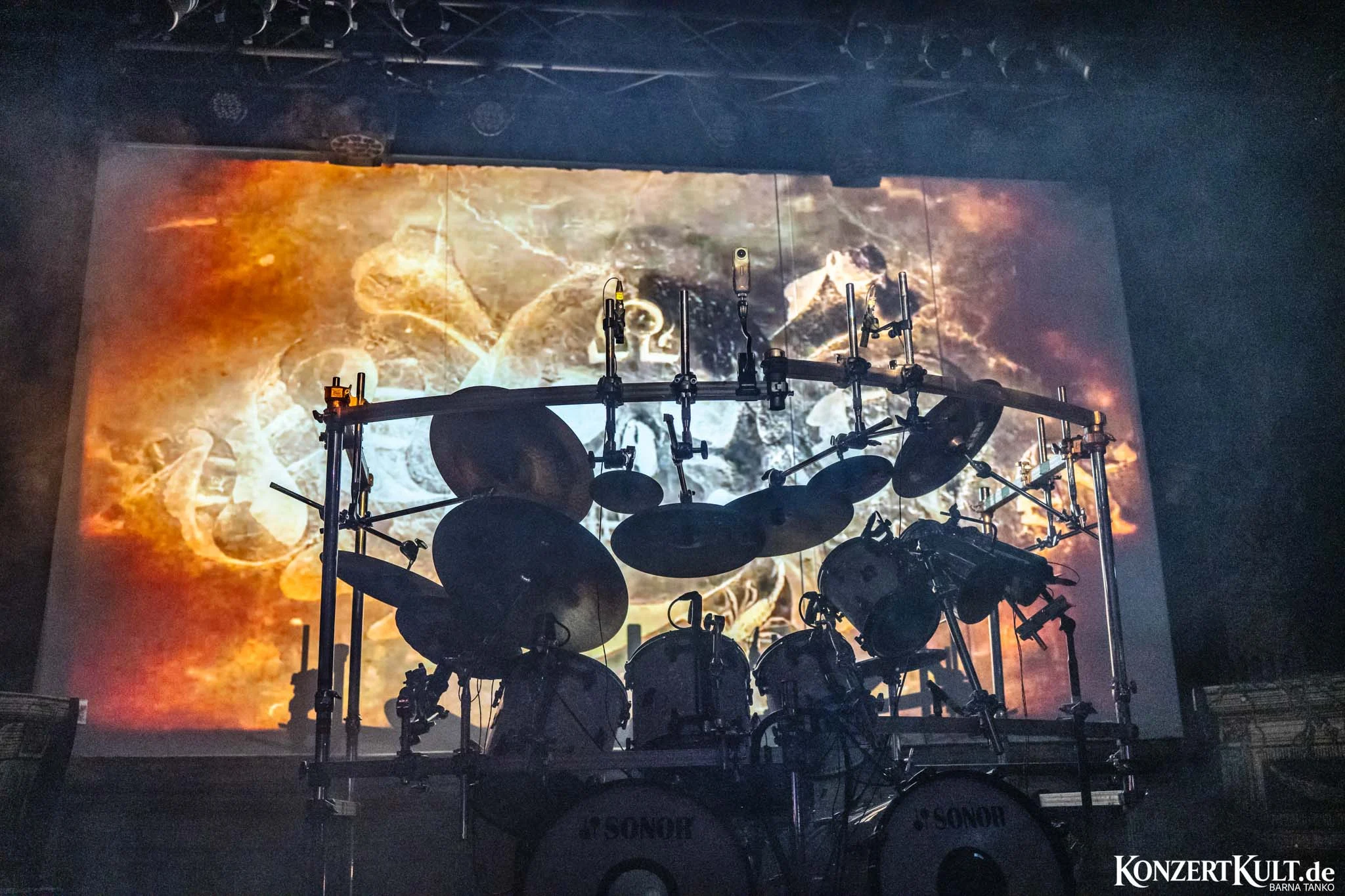
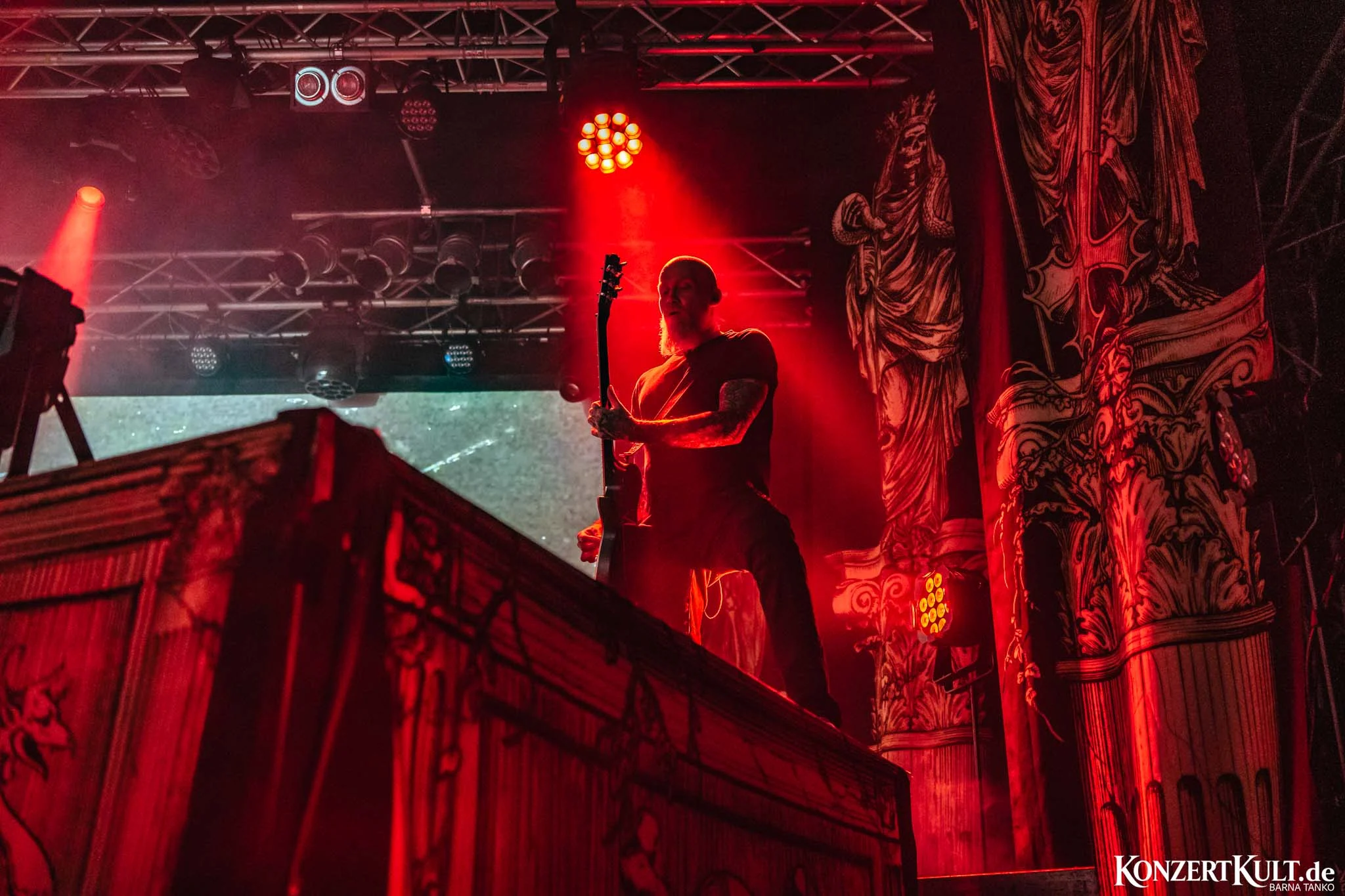
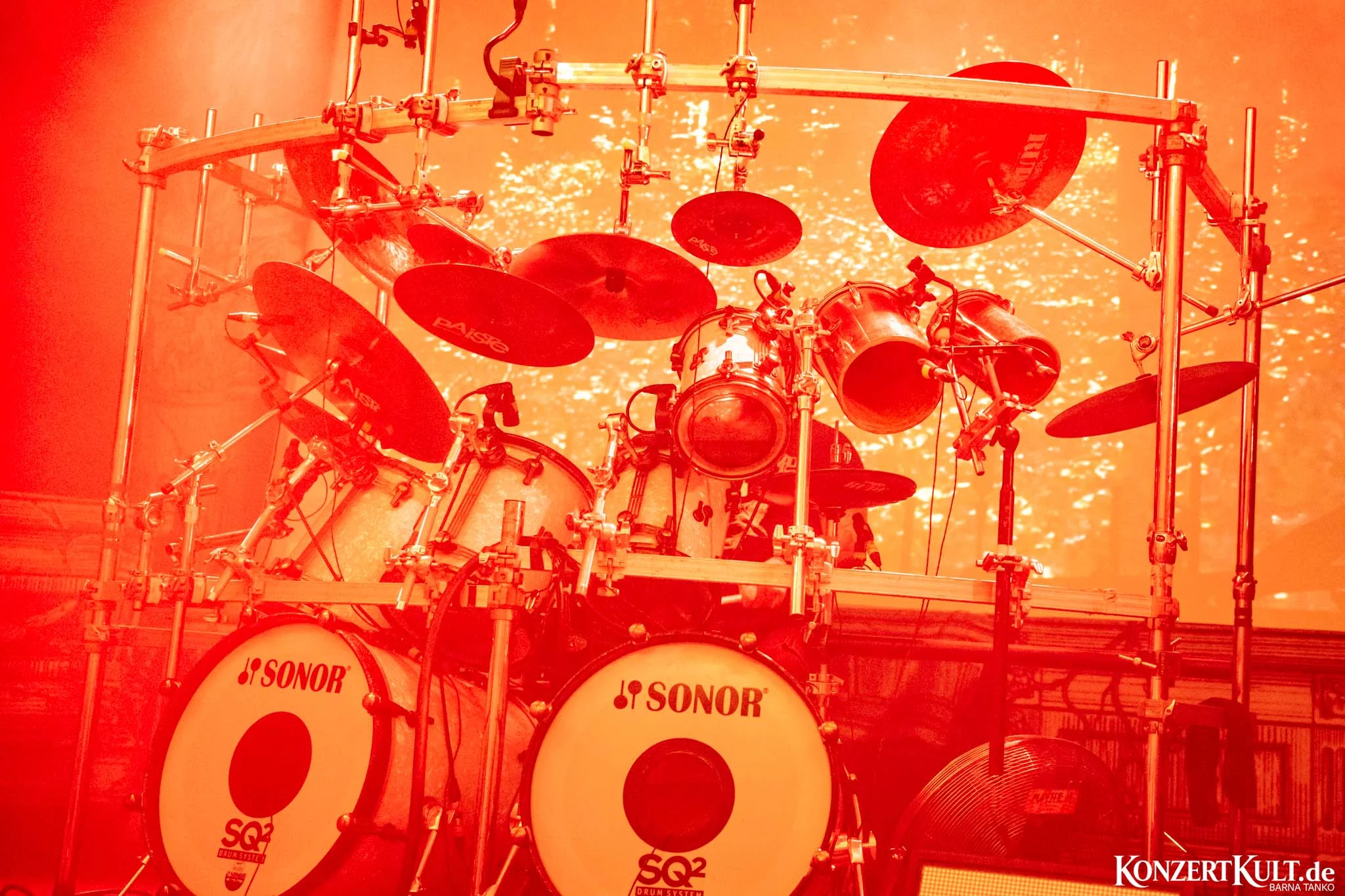
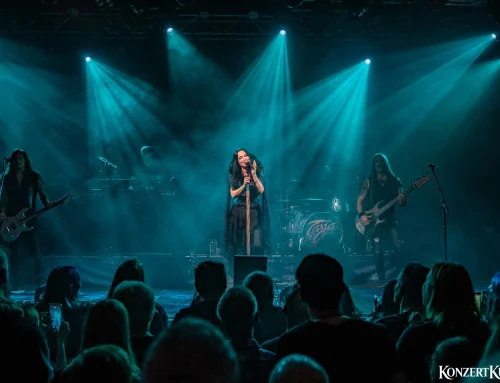
The audience at the Essigfabrik was already perfectly primed for Mayhem, having been put through a relentless one-hour black metal assault by Marduk. The stage reset was an intense undertaking, yet the crew managed to complete it in just 30 minutes. The extensive drum kit, elevated on a riser, provided a natural focal point, although the drummer himself remained largely hidden behind the imposing setup. Stairs led to the upper platforms flanking the drum riser, while additional raised platforms on either side of the stage accommodated the guitarists. The elaborate construction occupied a substantial portion of the Essigfabrik’s already generous stage, leaving the band somewhat cramped whenever all members performed together.
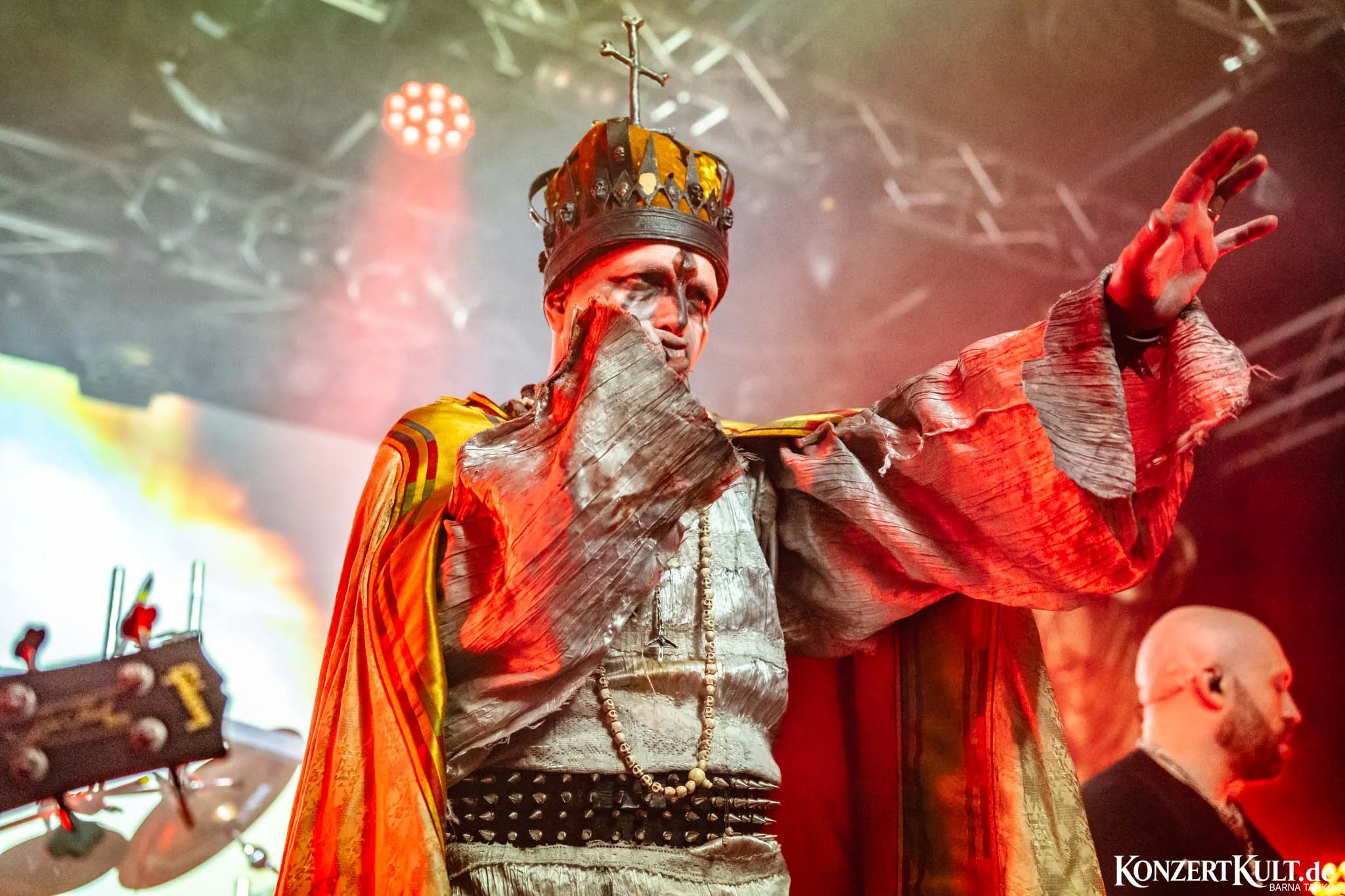
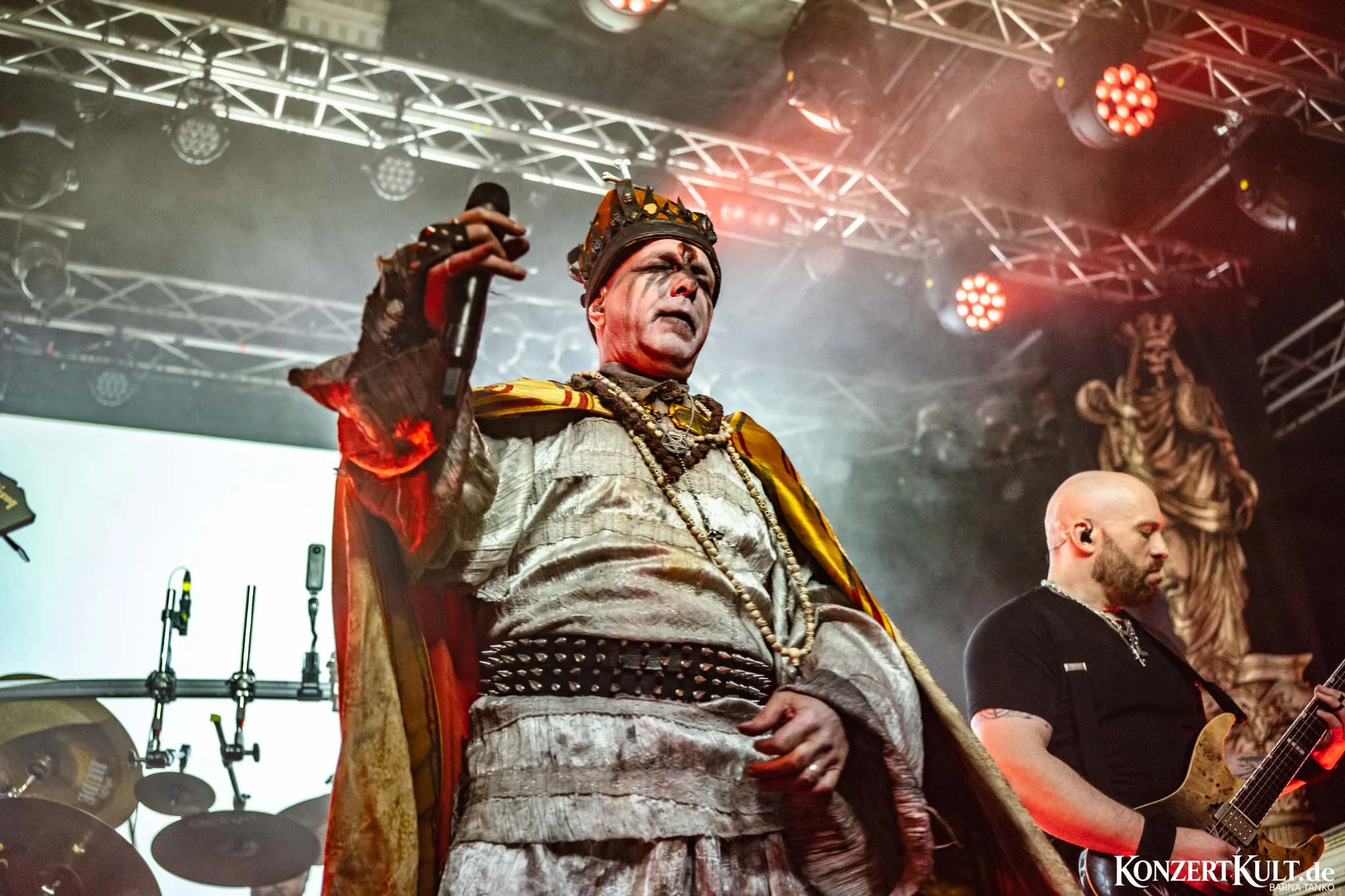
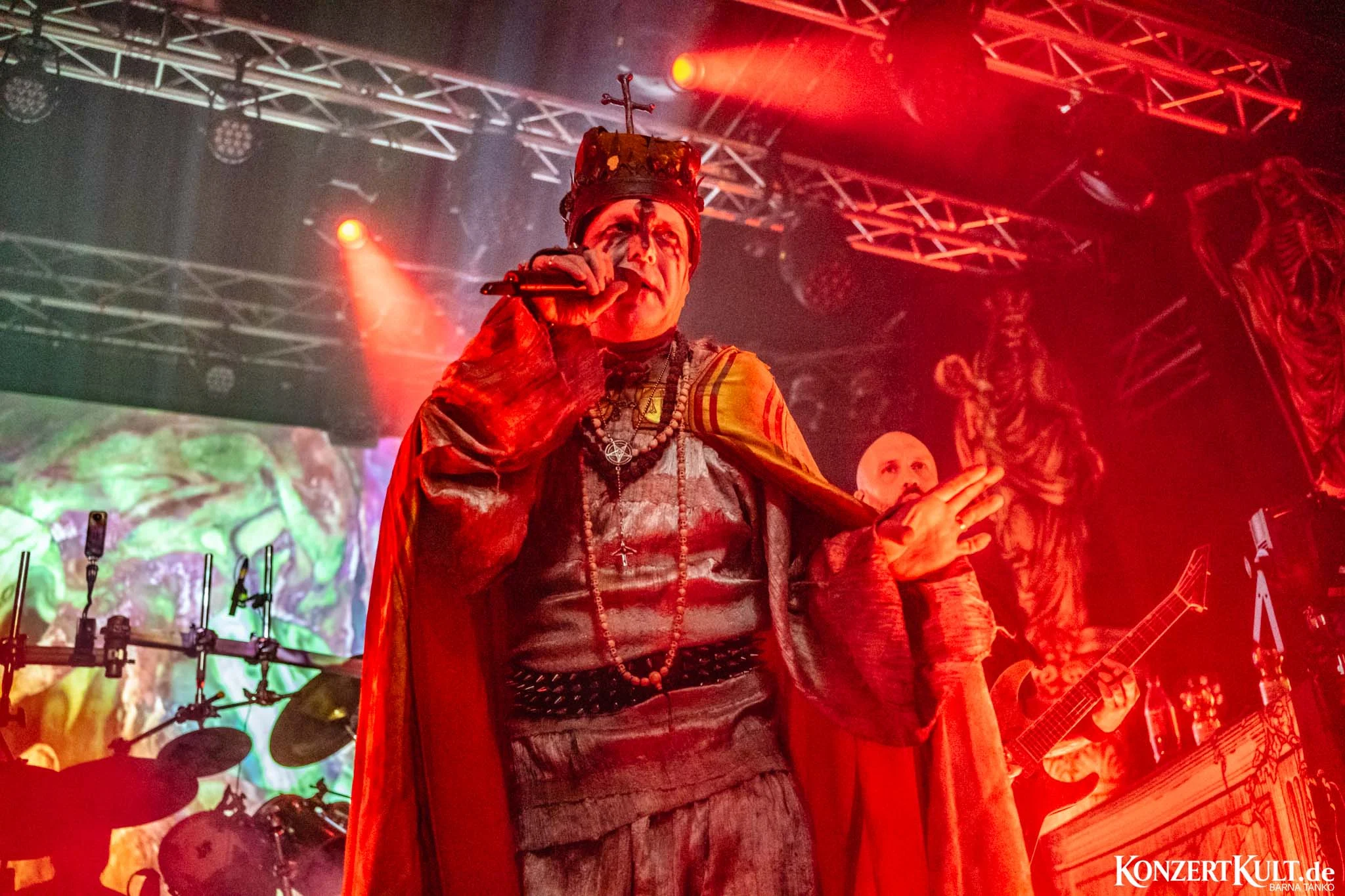
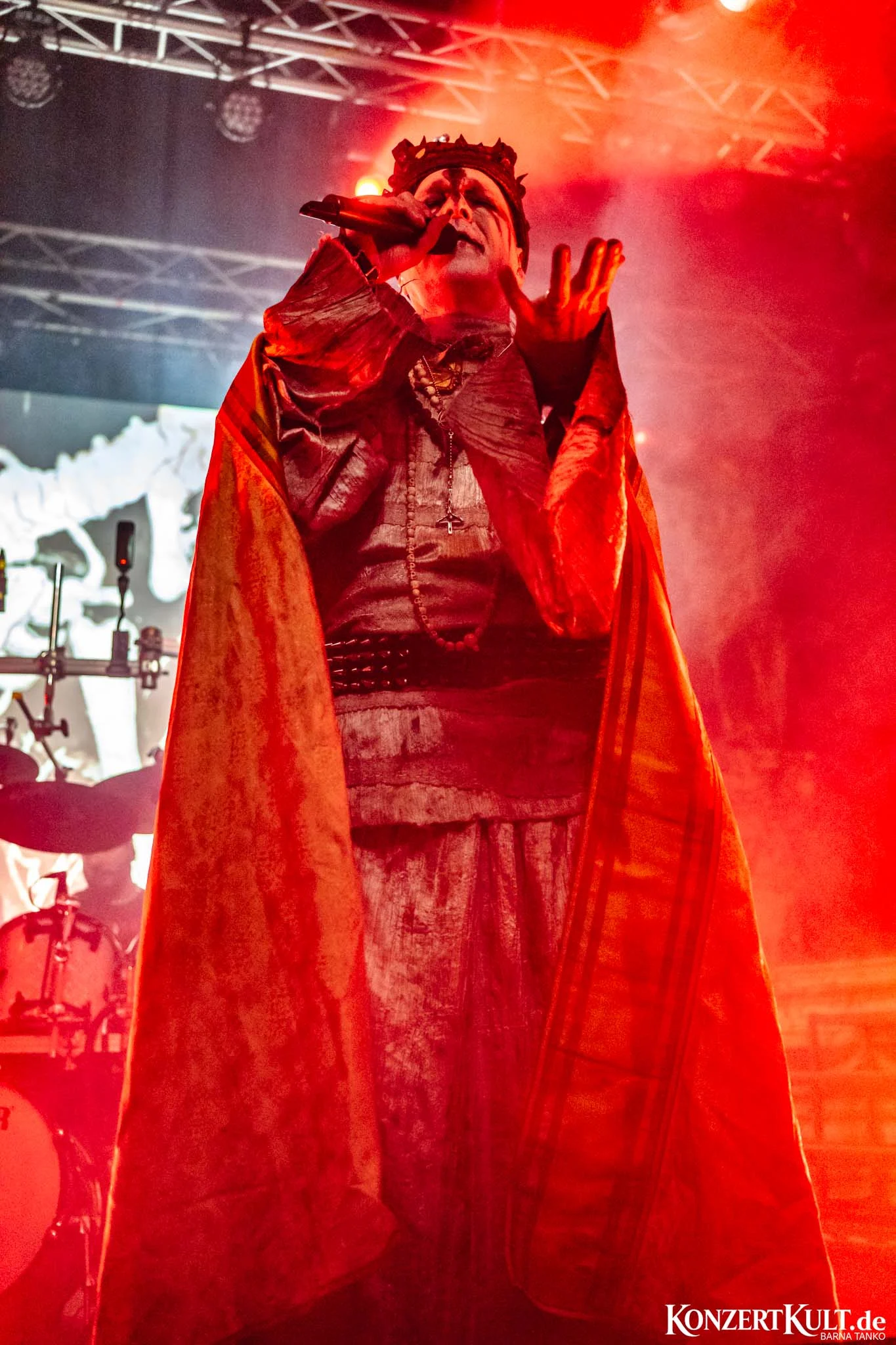
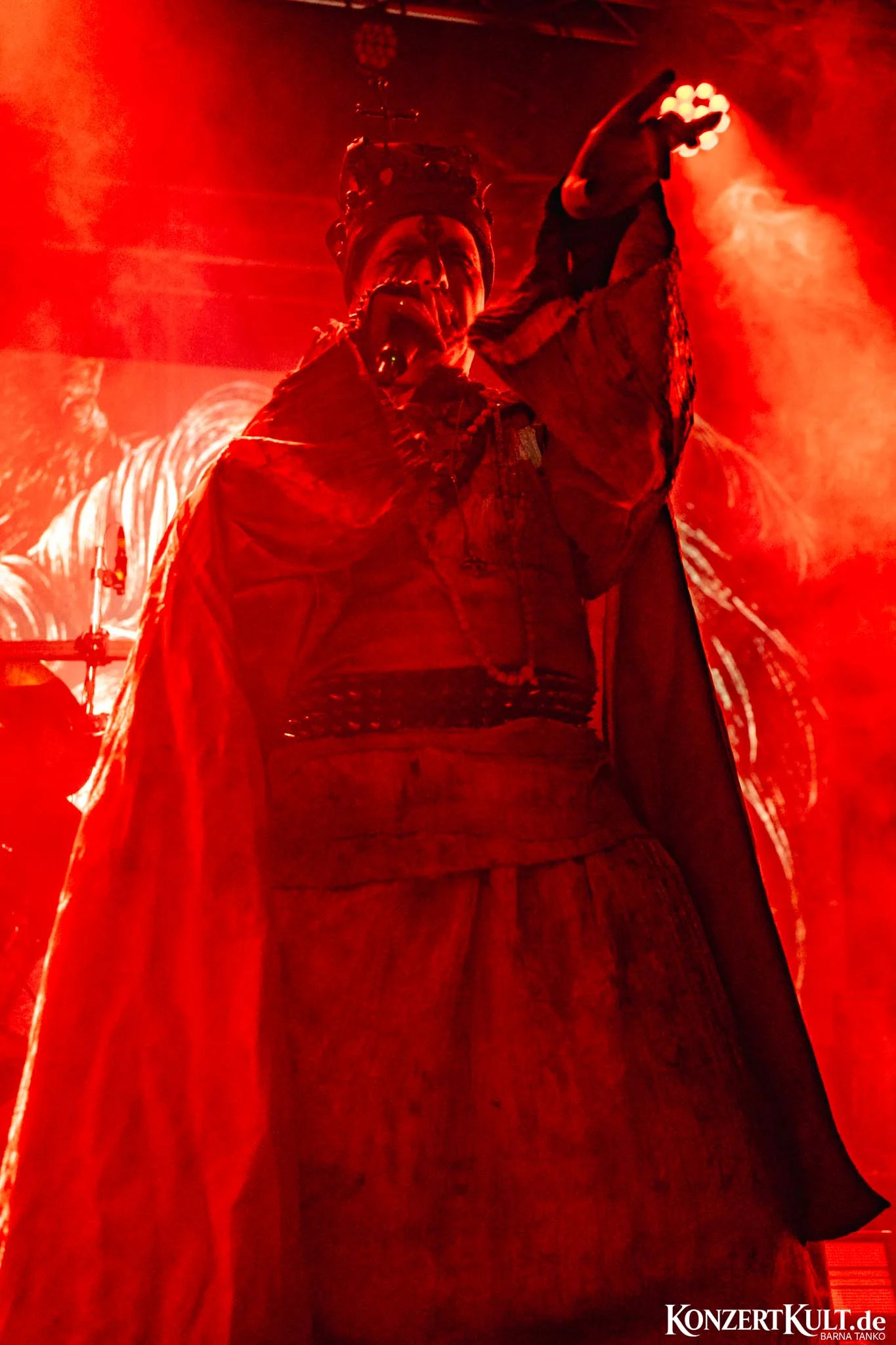
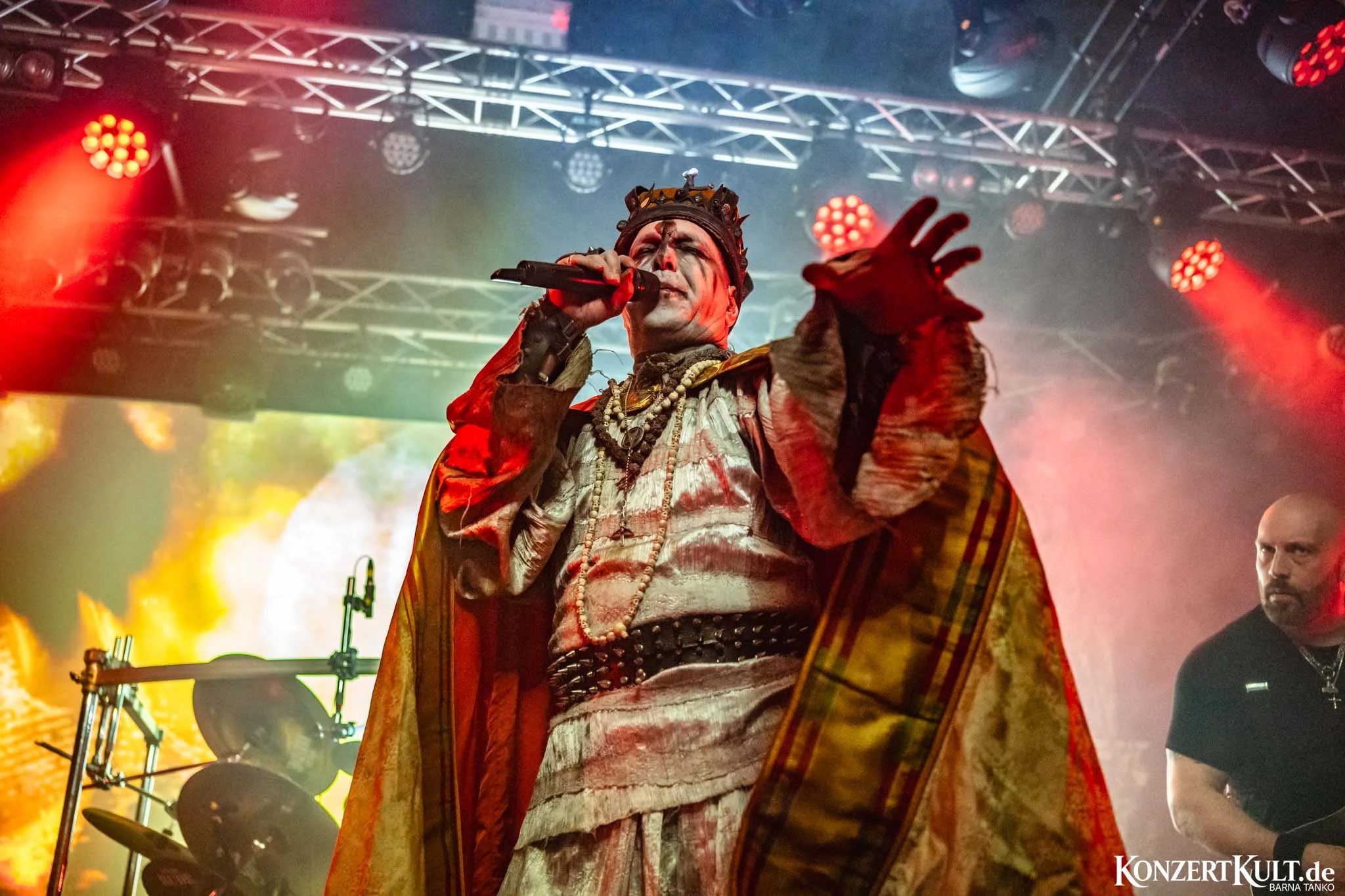
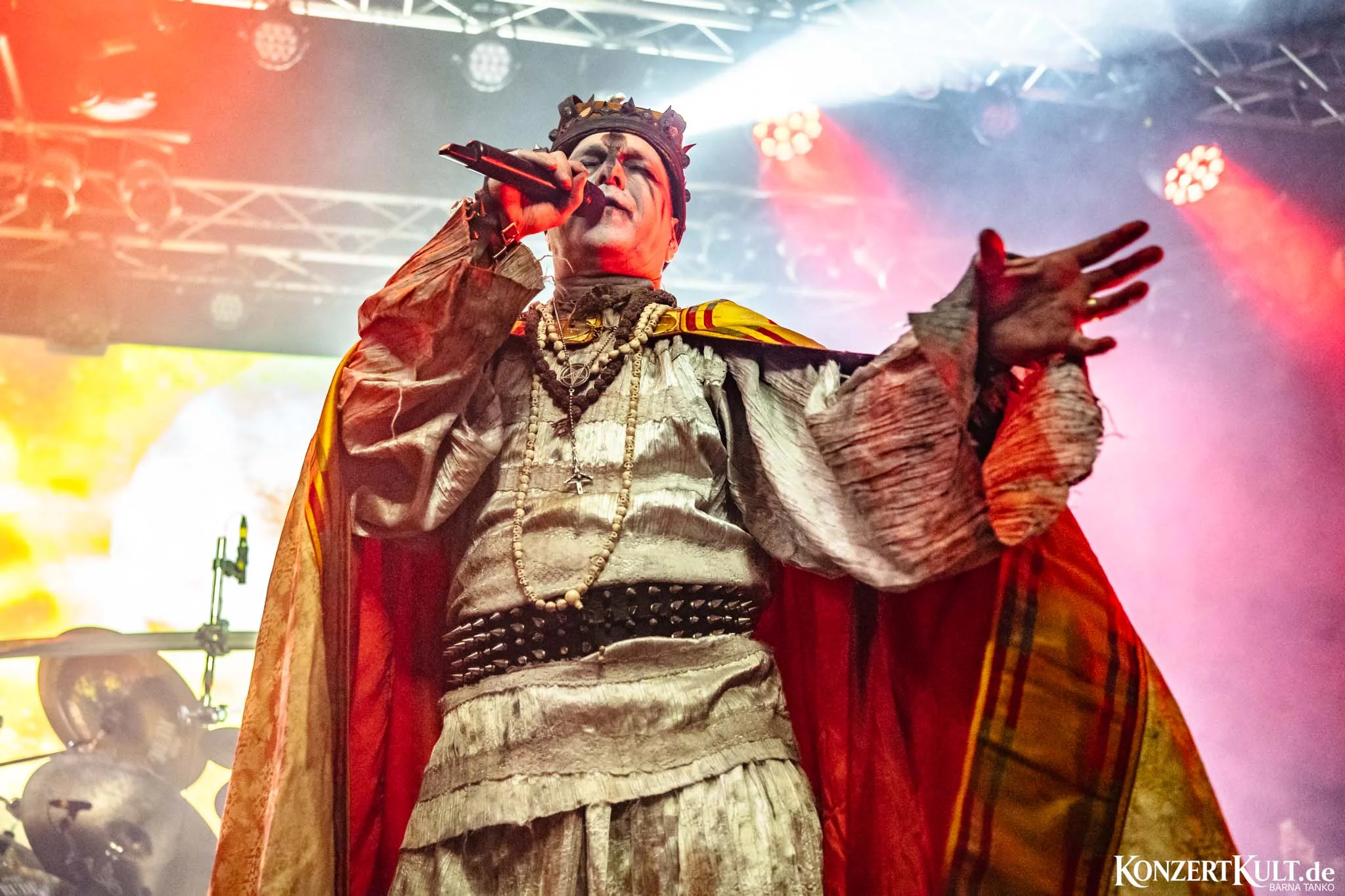
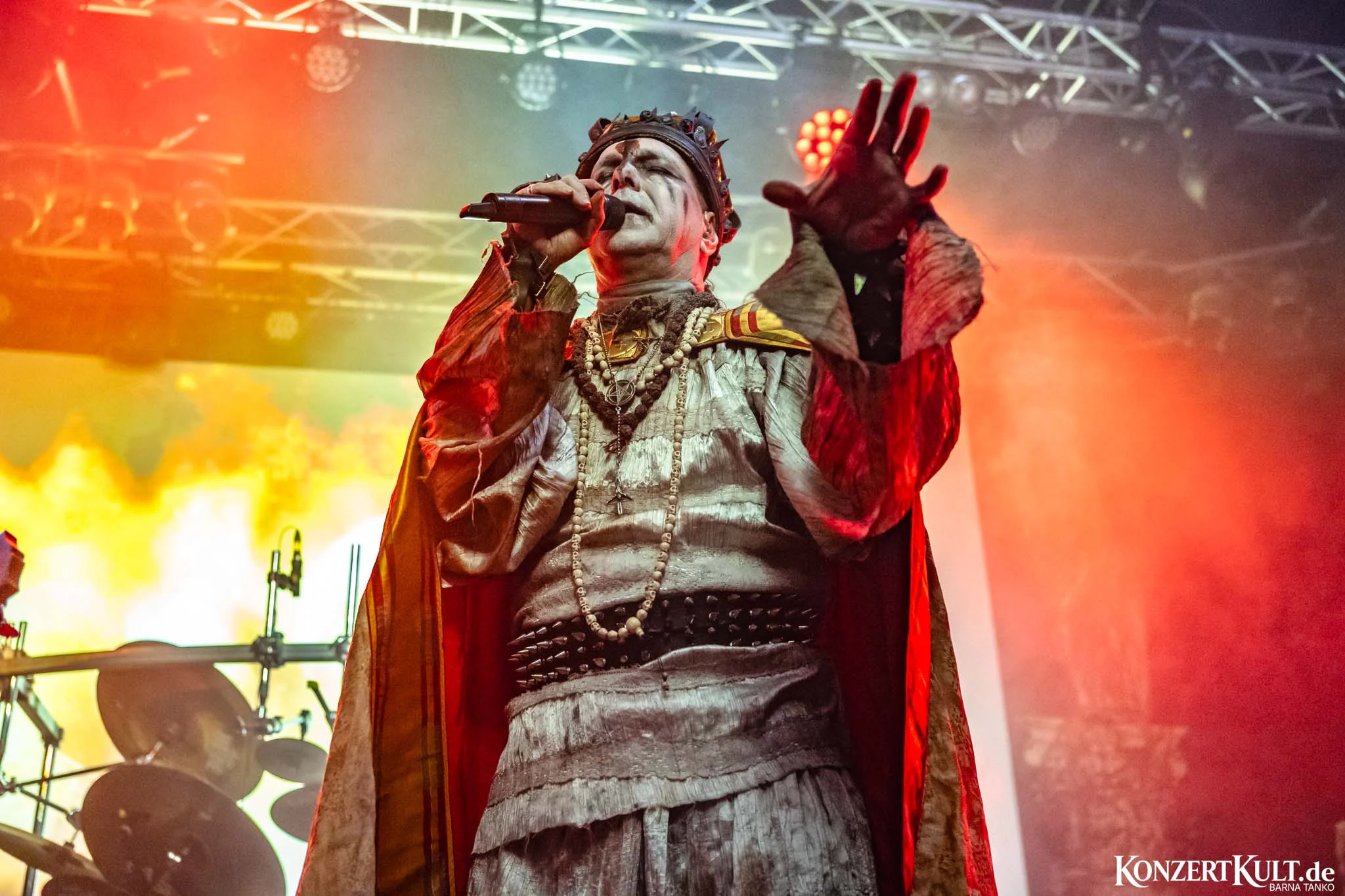
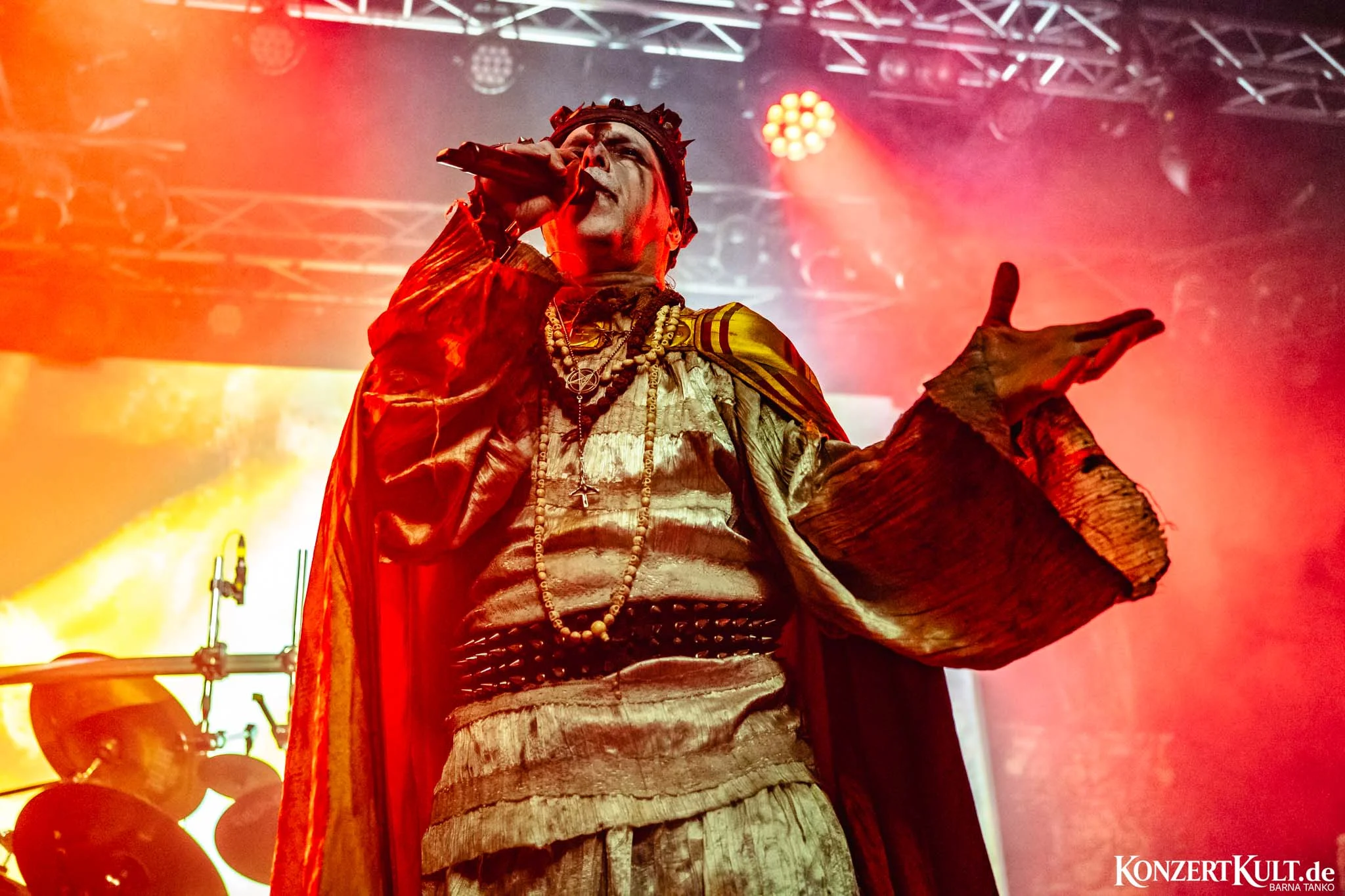
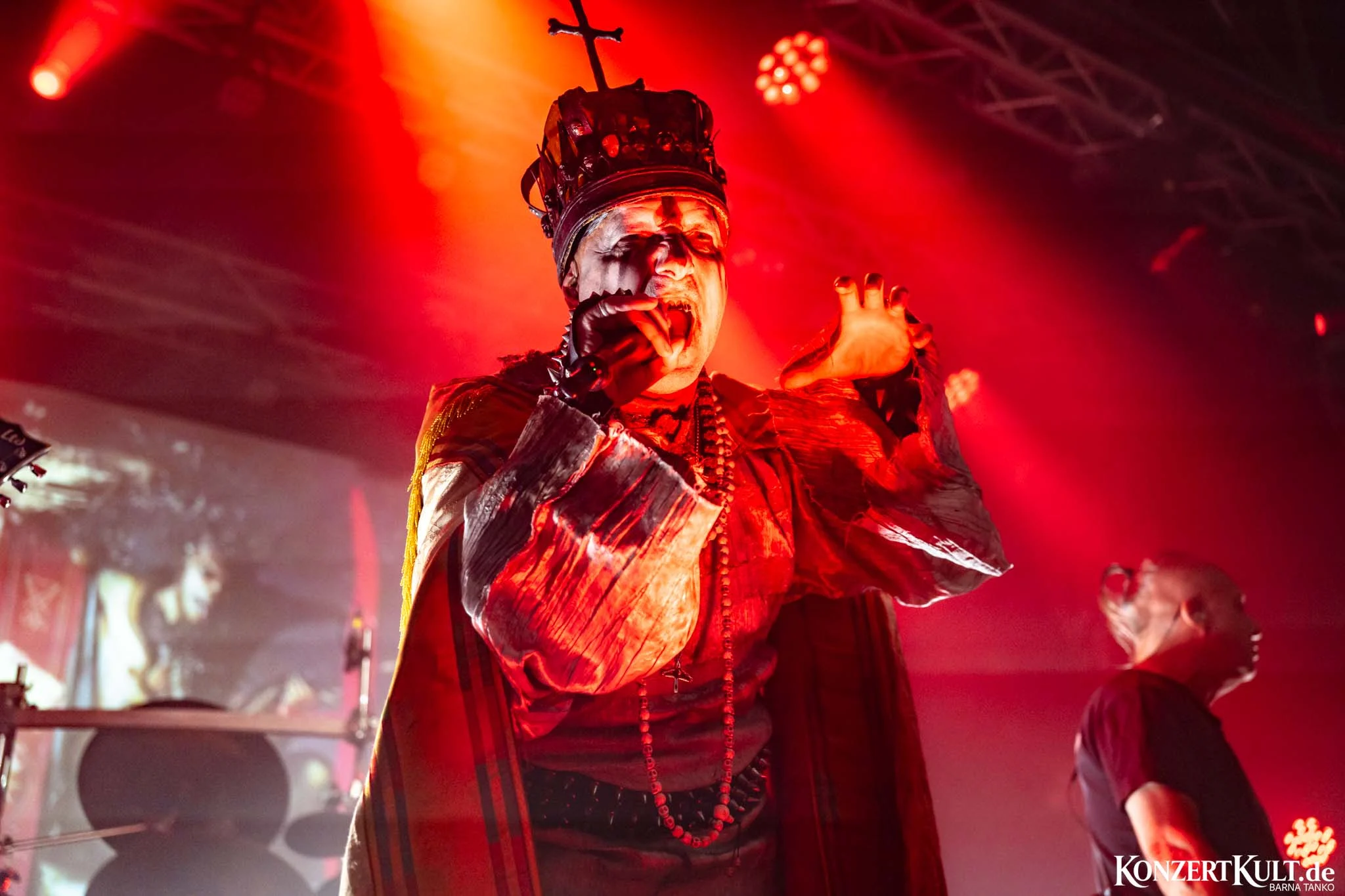
Mayhem pays meticulous attention to detail, incorporating gruesome background projections and deliberate costume changes that reflect different eras of the band’s history. However, the elaborate visual presentation was largely reserved for frontman Attila Csihar, while the rest of the band performed in plain black clothing. Csihar commands the performance less like a conventional singer and more like a demonic high priest. Using theatrical props and a wide range of vocal techniques, he shifts between deep, eerie chants and piercing, harsh shrieks. Combined with relentless strobe effects, dim lighting, thick fog and grim visual aesthetics, the production creates an oppressive atmosphere of dread.
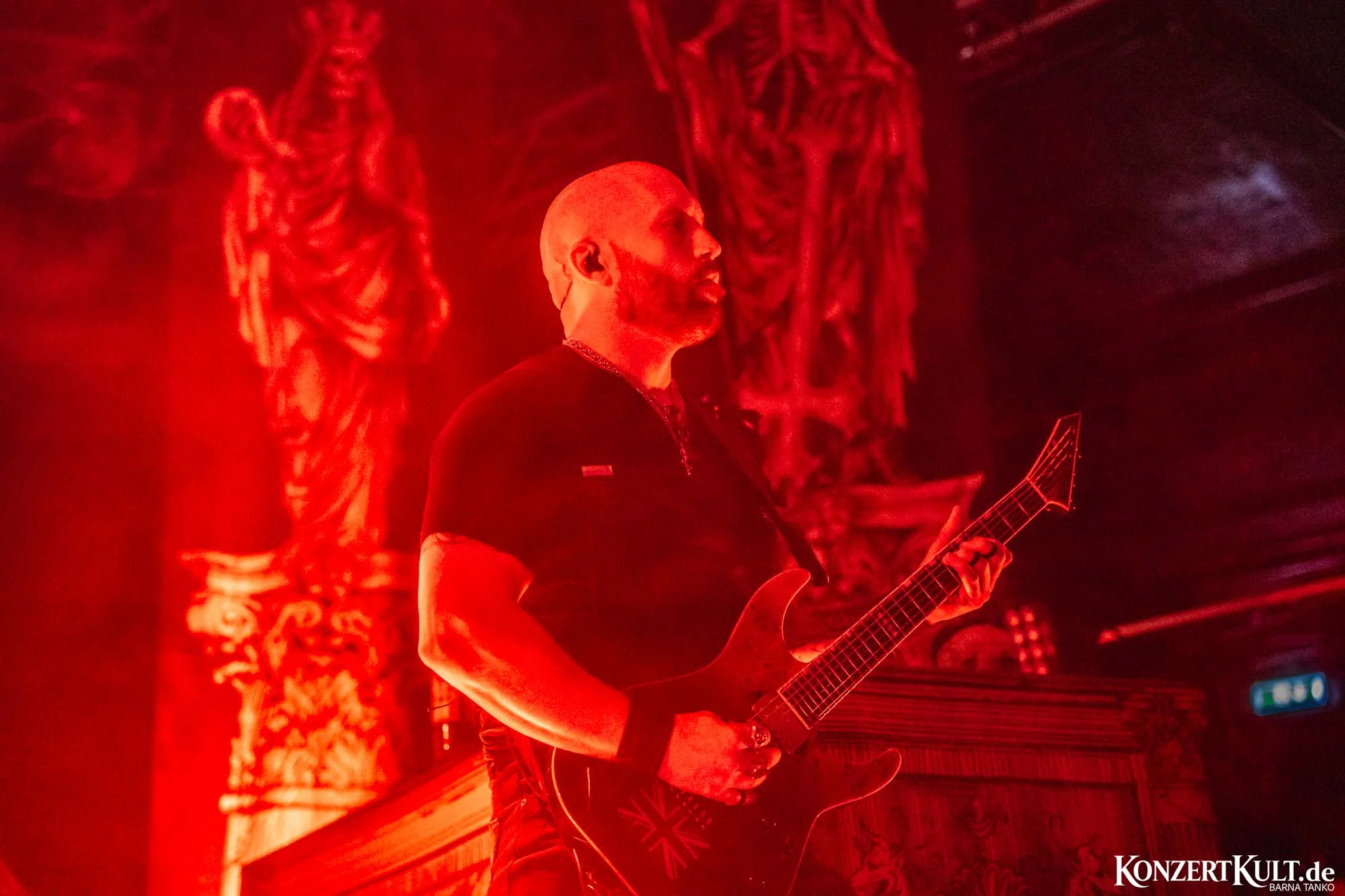
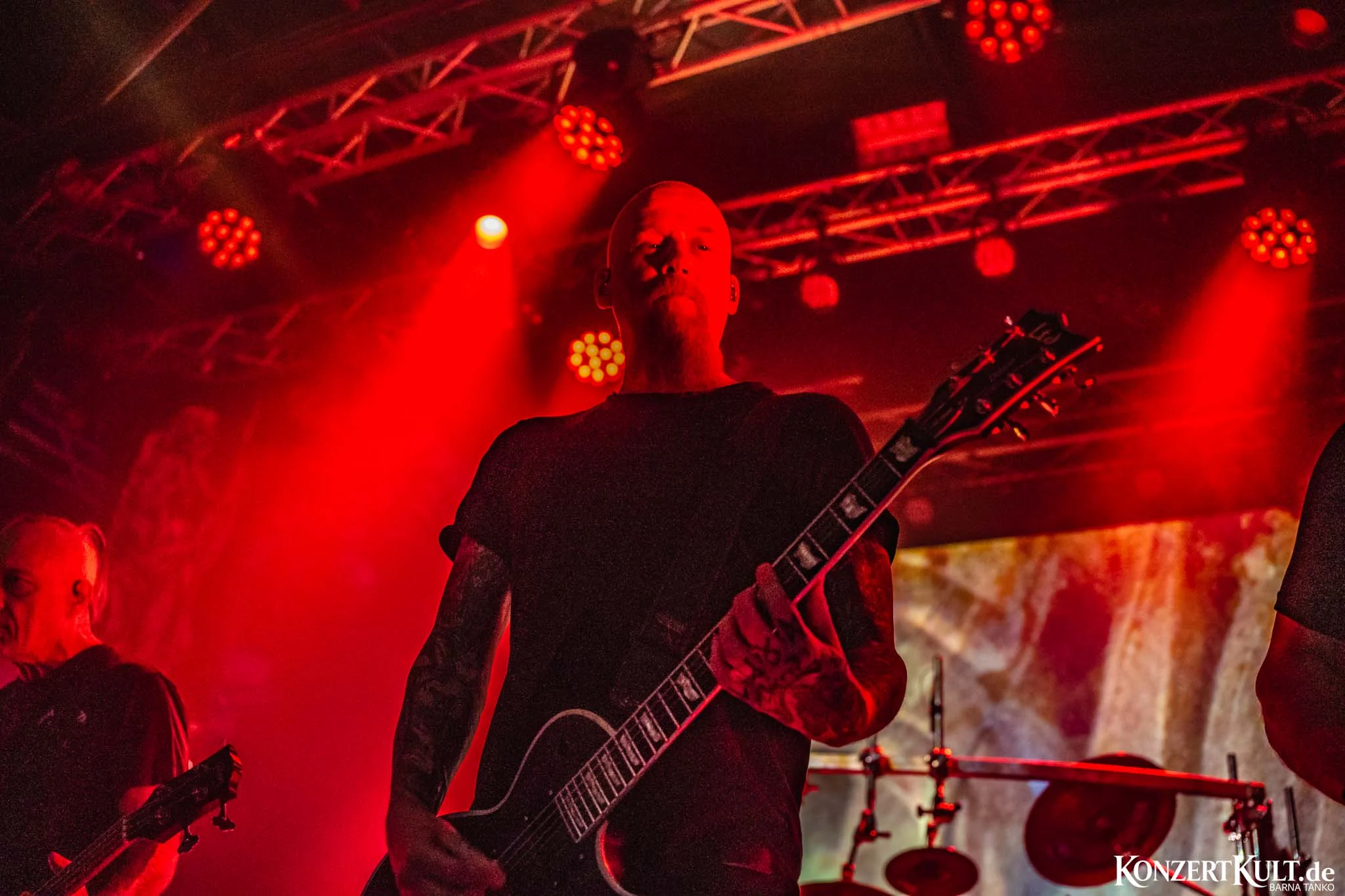
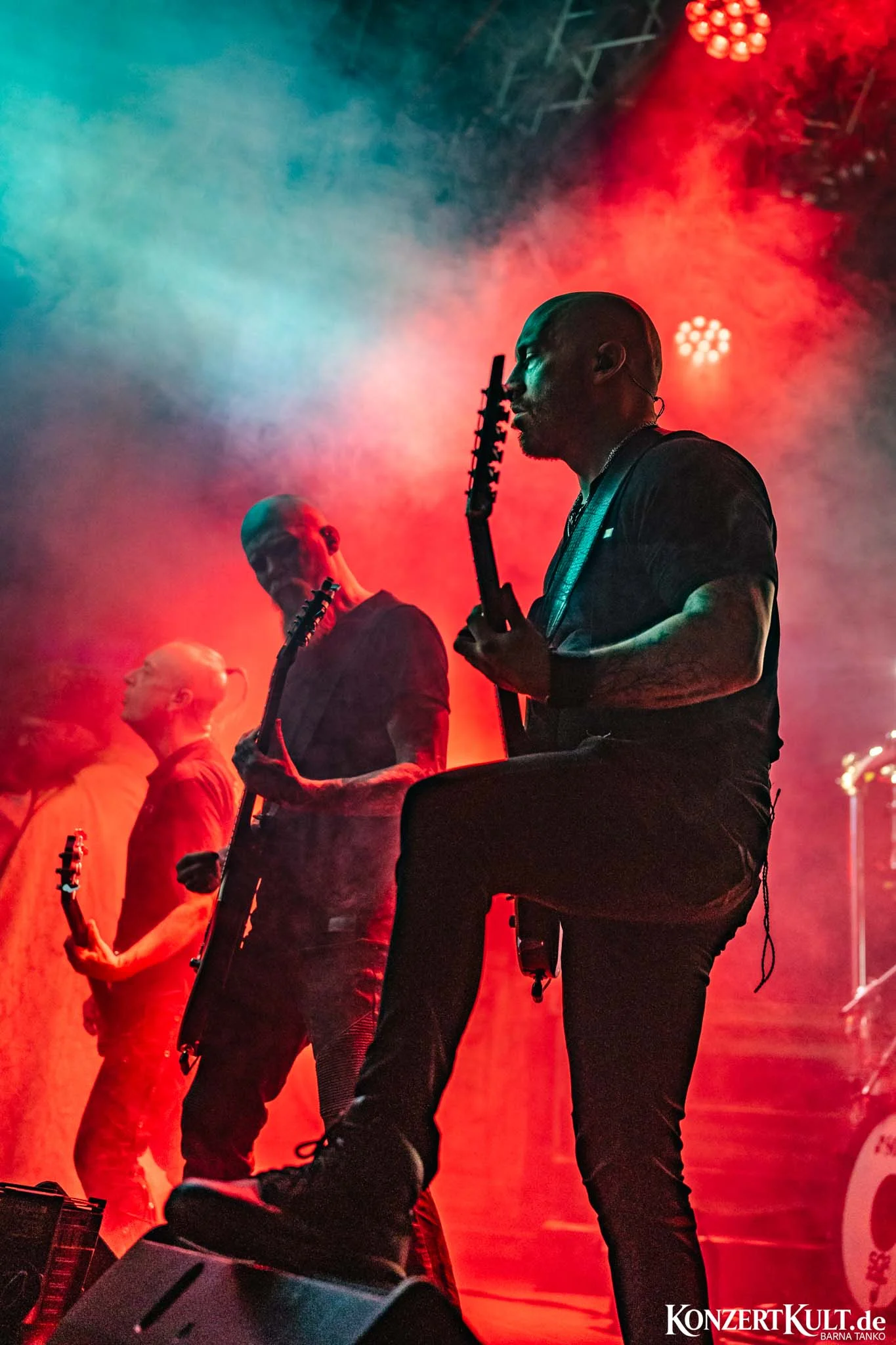
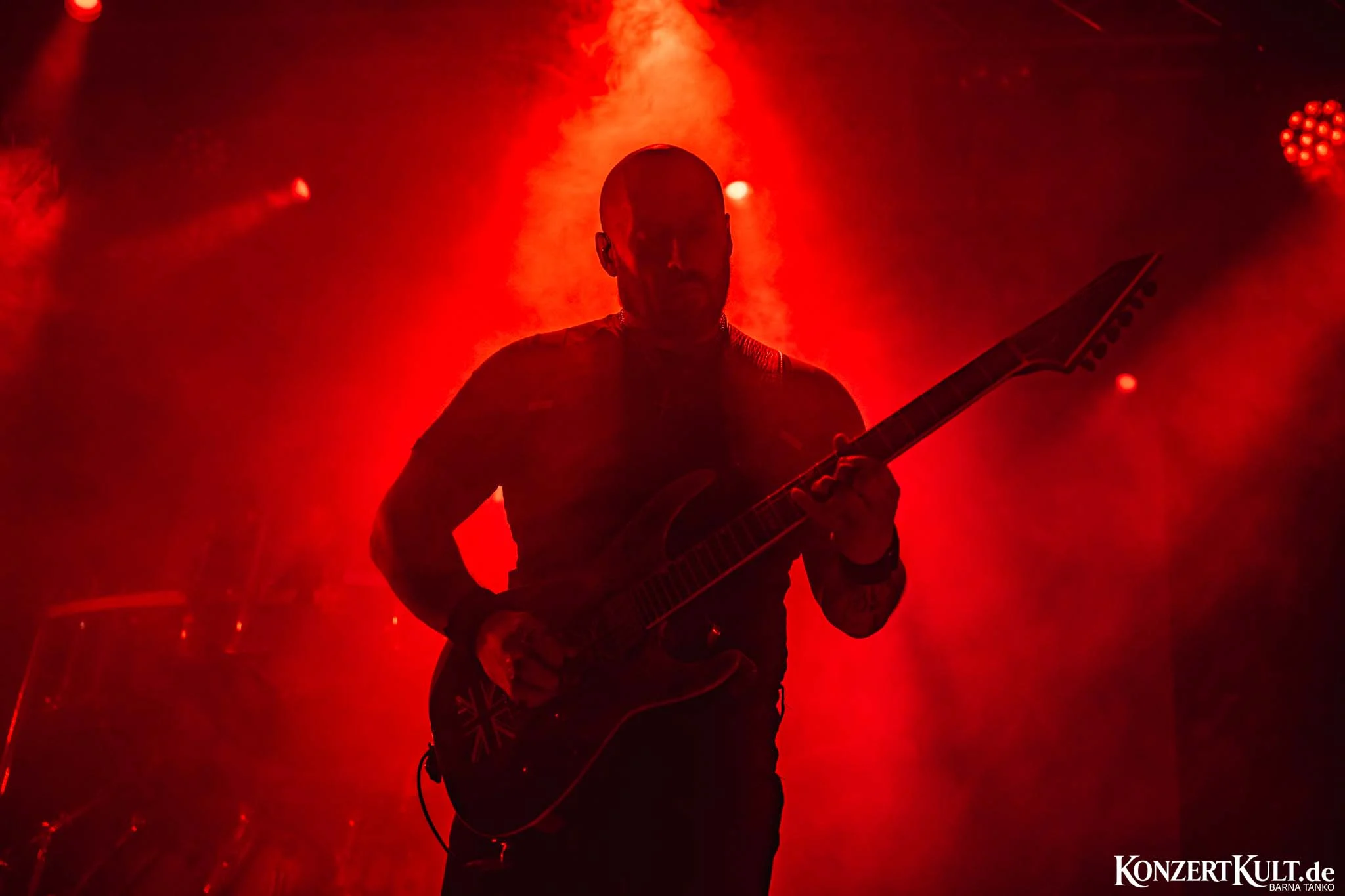
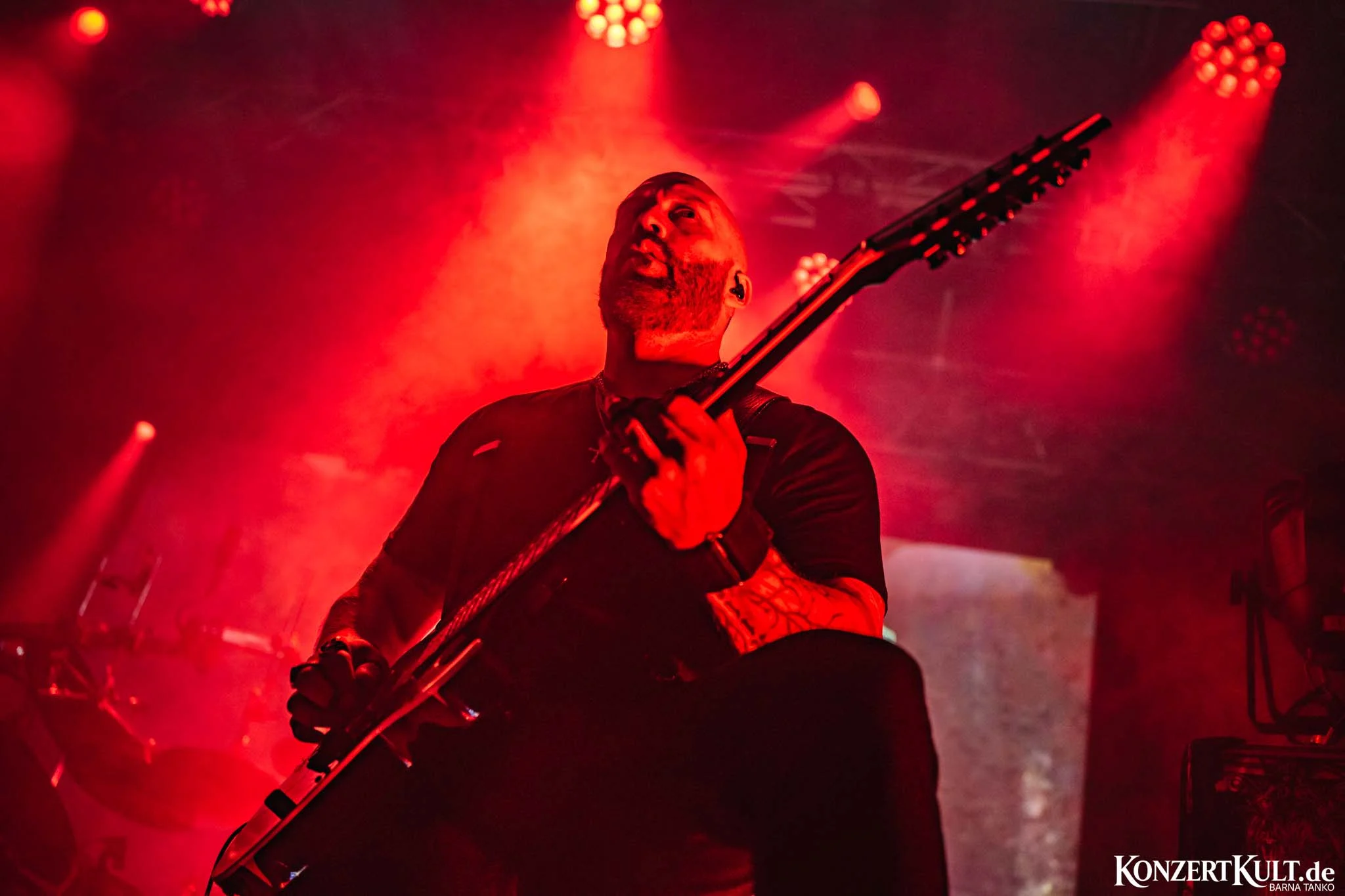
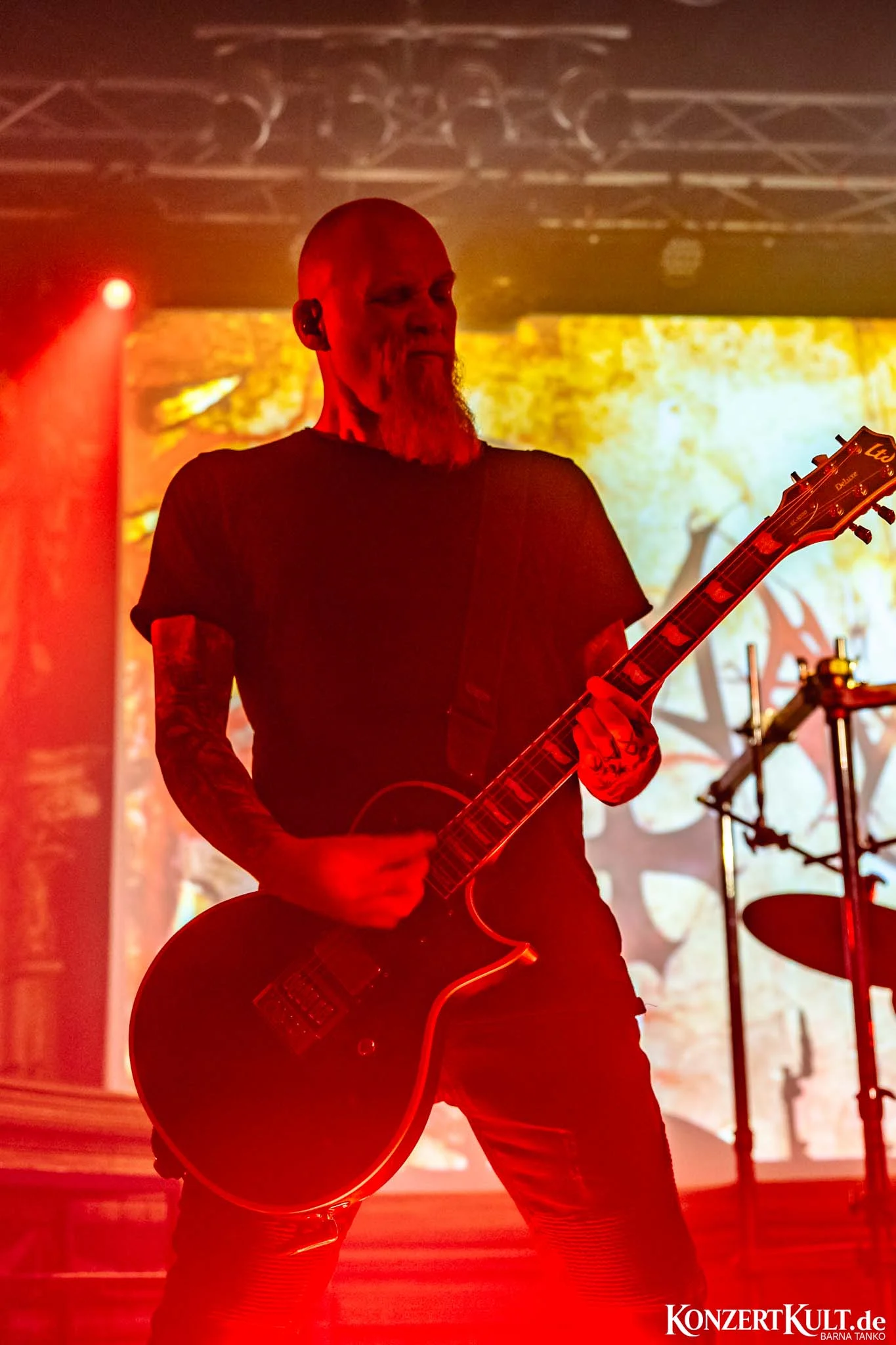
Musically, Mayhem delivers an uncompromising wall of dissonance and razor-sharp aggression. The dual-guitar attack of Teloch and Ghul balances the raw, chaotic character of early black metal with meticulous modern precision. Rapidly repeated single notes and simple chord fragments played at breakneck speed merge into a dense, buzzing wall of sound, prioritising sheer intensity over clearly separated notes.
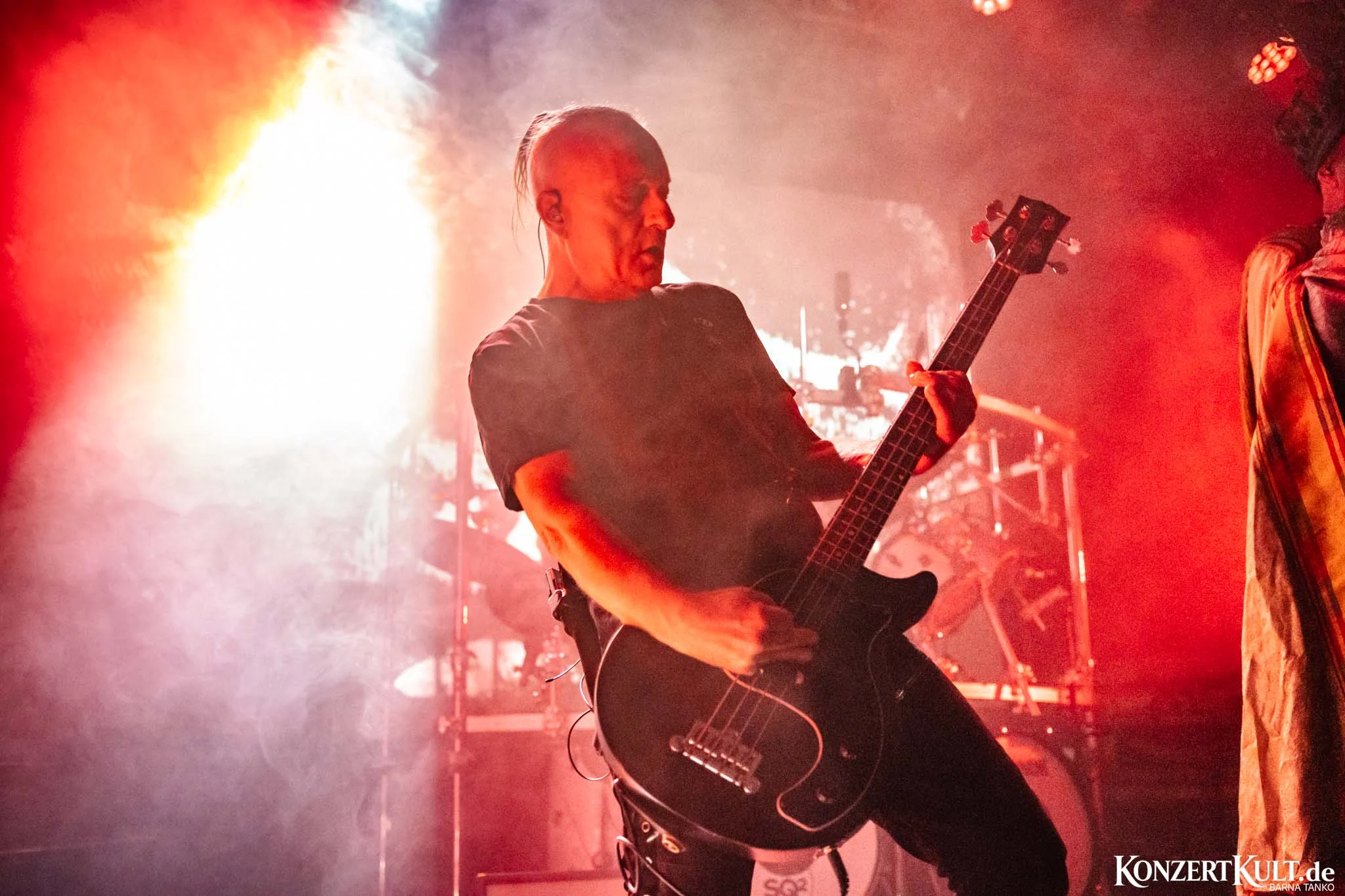
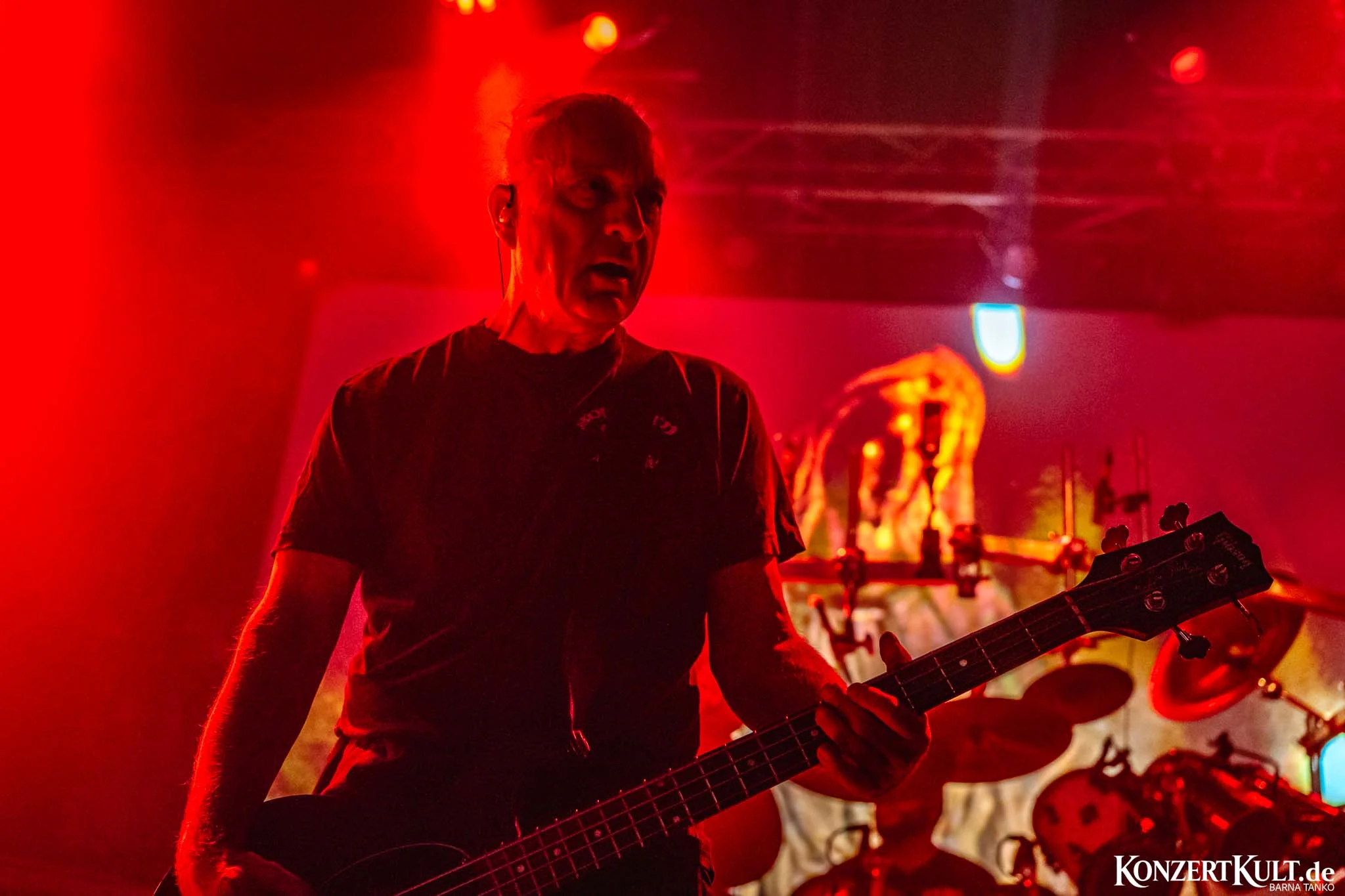
The drums combine sharp, triggered kick-drum clicks that maintain precision at blistering tempos with booming acoustic toms and cavernous reverberation. The resulting sound evokes a ritual echoing through the vast stone chambers of a cathedral. Rather than providing a warm, rounded low-end foundation, Necrobutcher on bass adds another layer of cold, biting aggression. Its clanging, distorted, treble-heavy character cuts through the mix like a rhythmic chainsaw, reinforcing the band’s relentless sonic assault.
A Mayhem concert is far more than a musical performance; it is a theatrical black metal ritual that transforms the stage into an oppressive, multisensory journey through the history of extreme music.
For concert photographers, however, the production presents considerable challenges. Intense strobe effects, deep red lighting, extended periods of near-darkness and thick stage fog make capturing the performance particularly difficult. With photography access typically restricted to the first three songs, the limited shooting window adds another layer of difficulty to documenting Mayhem’s visually elaborate live show.
Rather than a standard rock gig, the performance functions as a highly synchronized sonic wall, combining distinct instrumental textures to create an atmosphere of bleakness and dread. Generally speaking, Mayhem’s lyrics were not particularly easy to understand live, even for listeners familiar with their recordings. That is partly a consequence of the band’s musical style rather than simply a question of sound quality. The dense sonic wall of black metal make individual vocal phrases difficult to distinguish. The elaborate stage setup contribute to the atmosphere, but the visual spectacle does not necessarily make the lyrics any easier to follow. Mayhem often use dark, abstract, and ritualistic imagery, so even when individual words are audible, the meaning may not be immediately clear. Intelligibility seemed secondary to atmosphere, with the vocals serving as another instrument in the band’s dark sonic ritual.
Accreditation: Beer & Music