Axel Rudi Pell: Hard Rock Still Has Plenty of Fire
Age comes for us all—including the bands we grew up with. What once sounded rebellious and cutting-edge eventually becomes “dad rock”: guitar-driven, melodic, familiar and rooted in an earlier generation. And with the 1980-1990s now several decades behind us, much of that era’s rock has inevitably found its way into the category.
Axel Rudi Pell, has spent more than 35 years refining essentially the same musical language: melodic heavy metal and hard rock built around soaring vocals, neoclassical guitar work, keyboards and the unmistakable influence of bands such as Rainbow and Deep Purple.
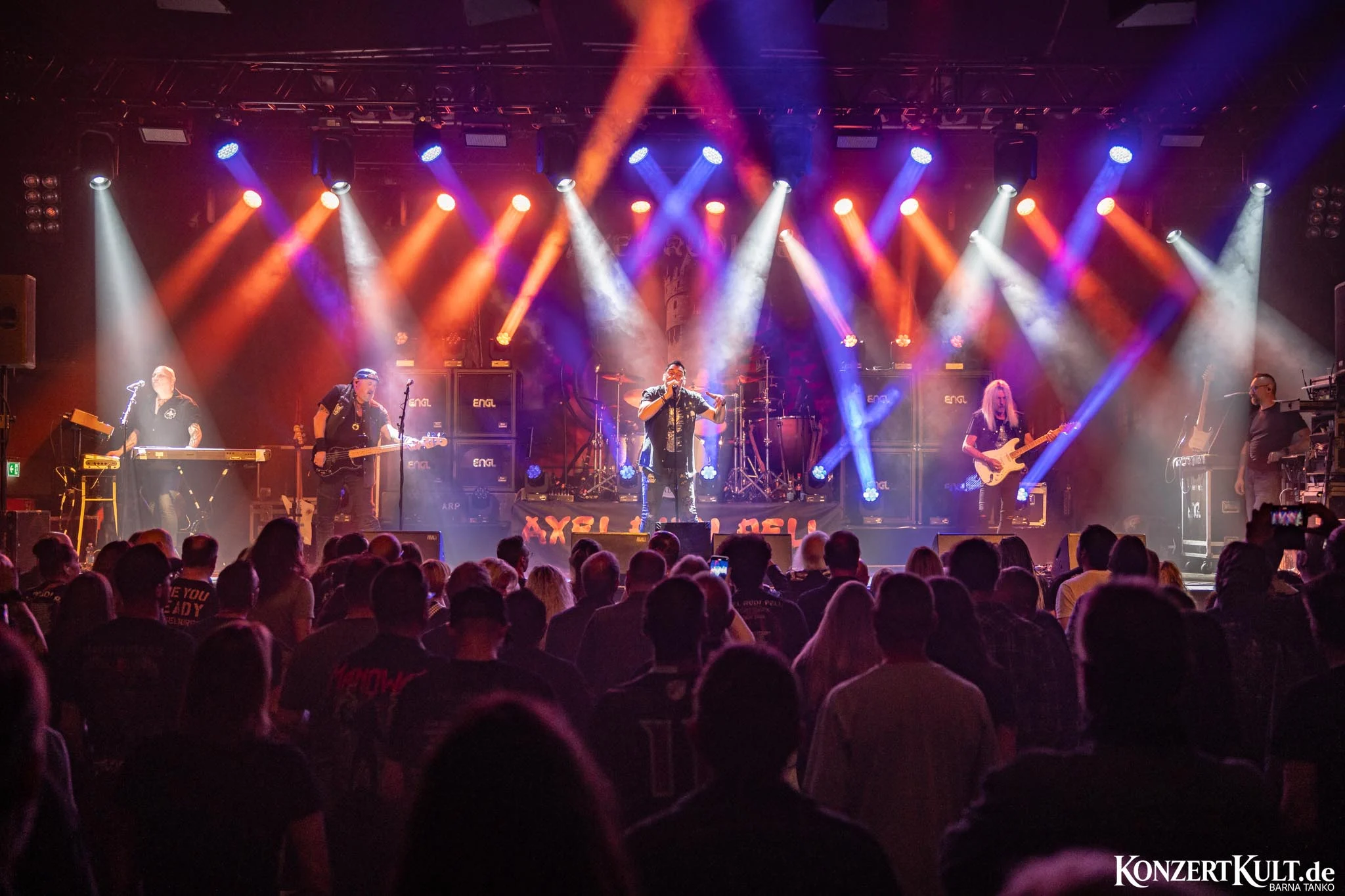
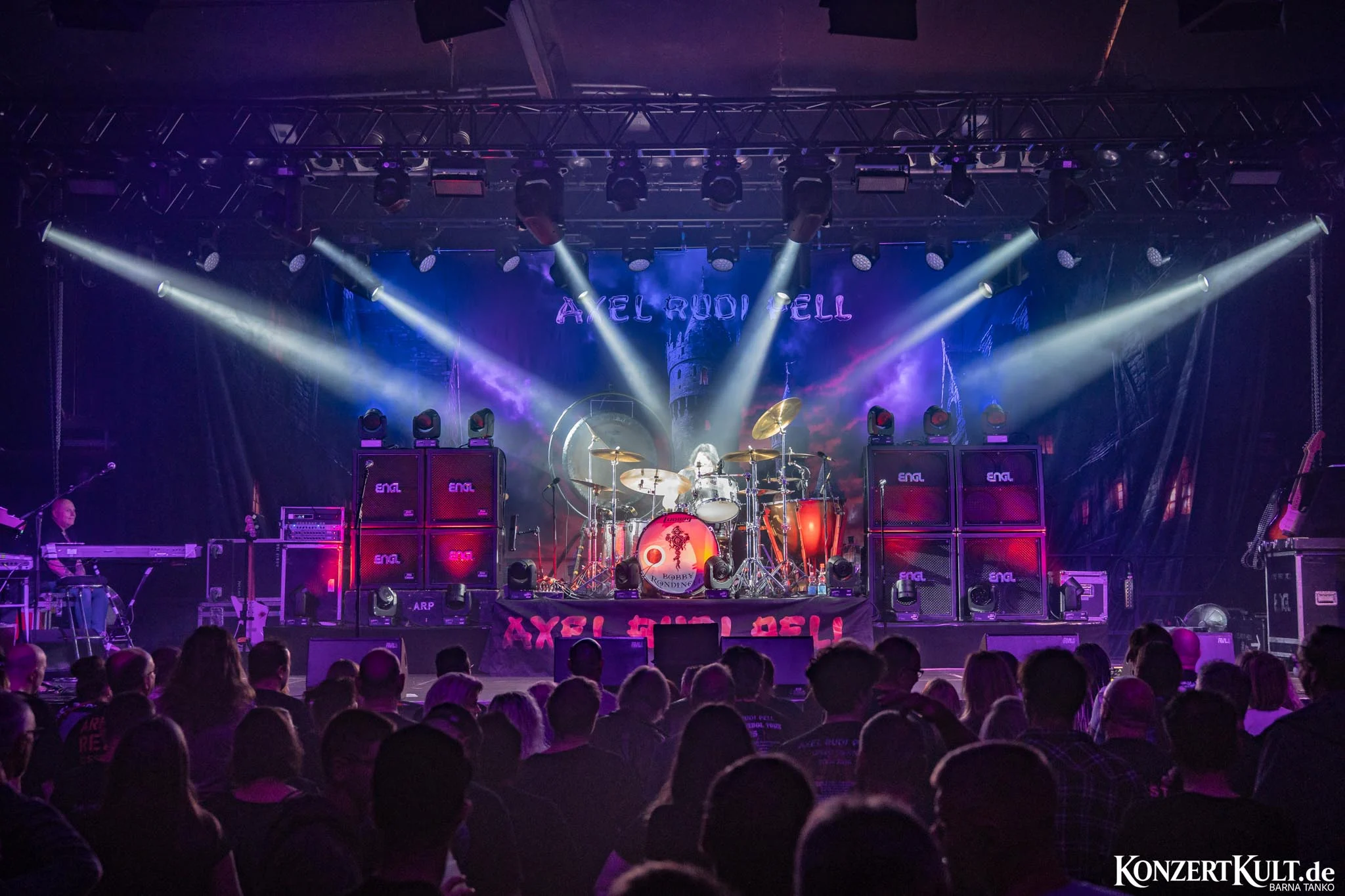
On Friday, September 25, Pell brought his Ghost Town Tour 2026 to Cologne’s Live Music Hall, and the performance was a reminder that music doesn’t necessarily have to follow the latest trends to remain powerful.
There was nothing particularly fashionable about this show. There didn’t need to be.
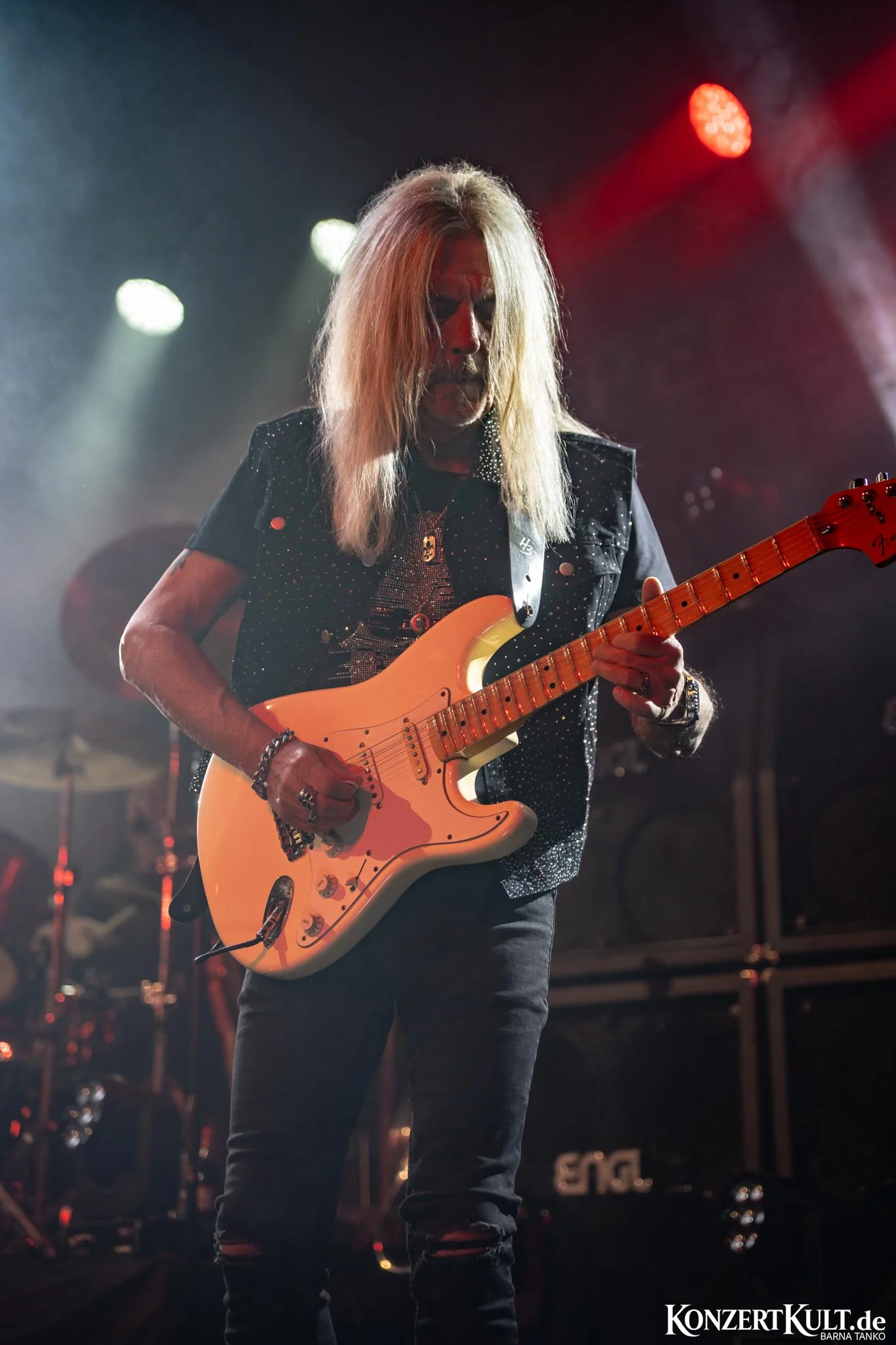
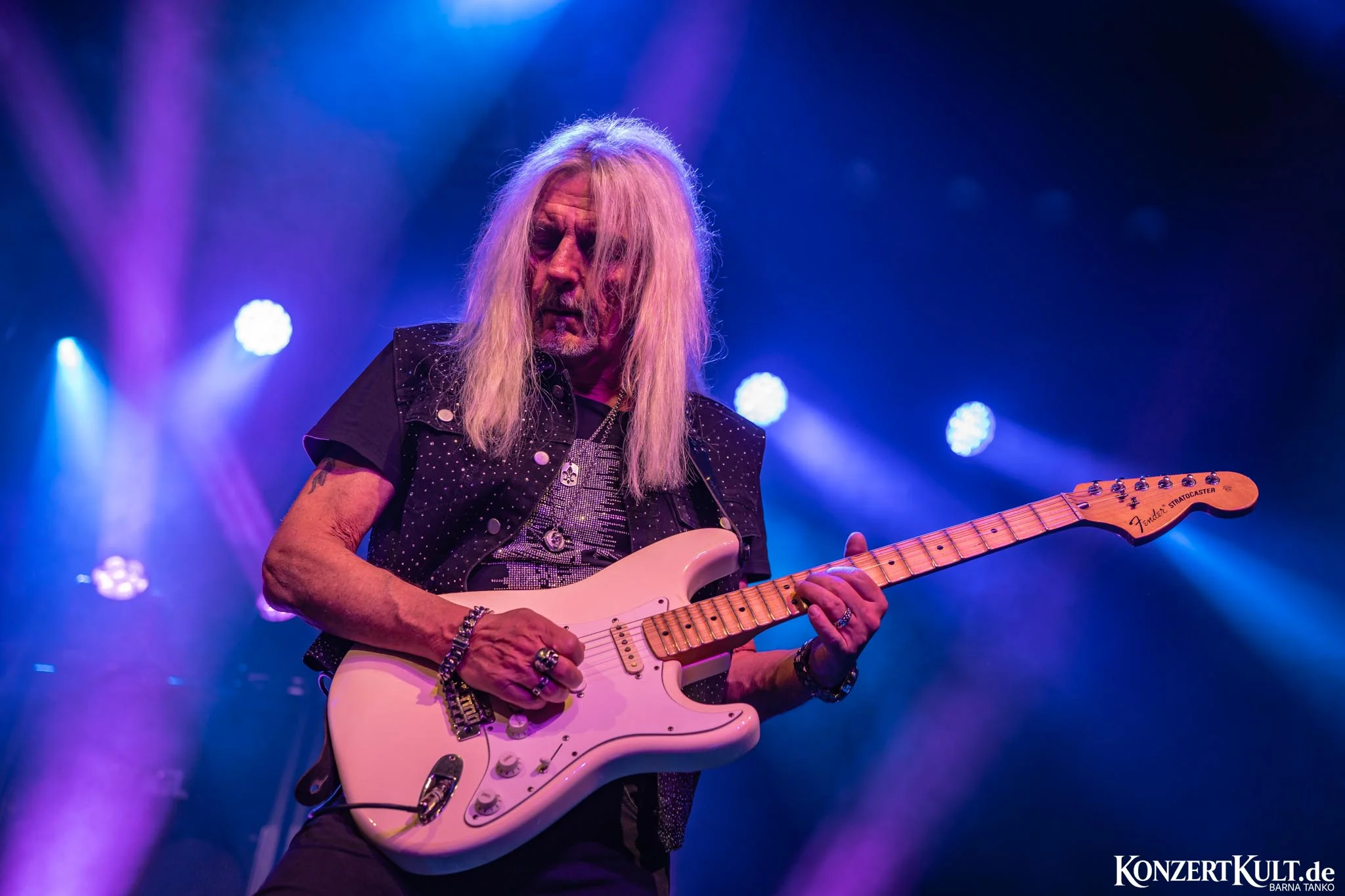
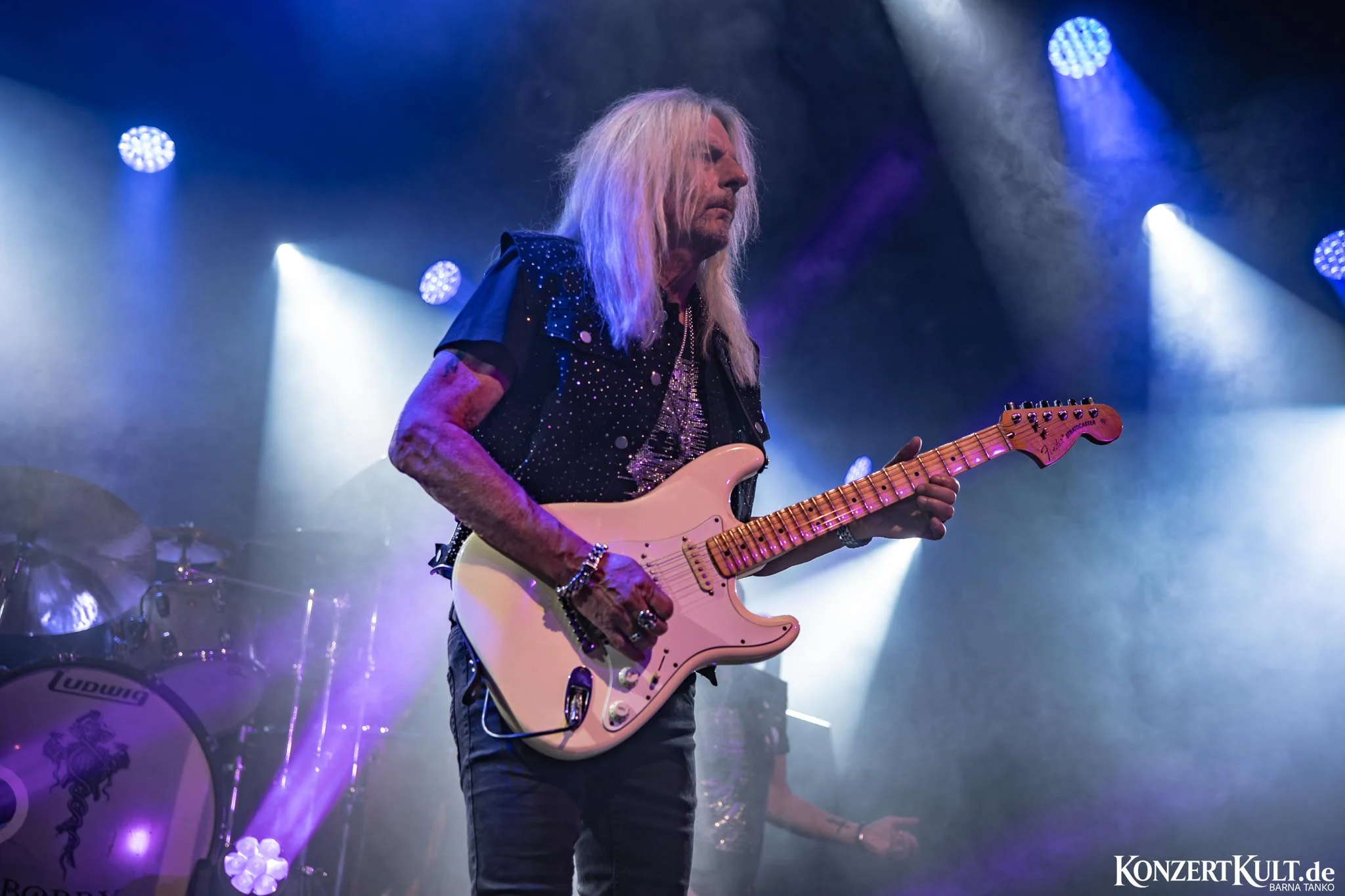
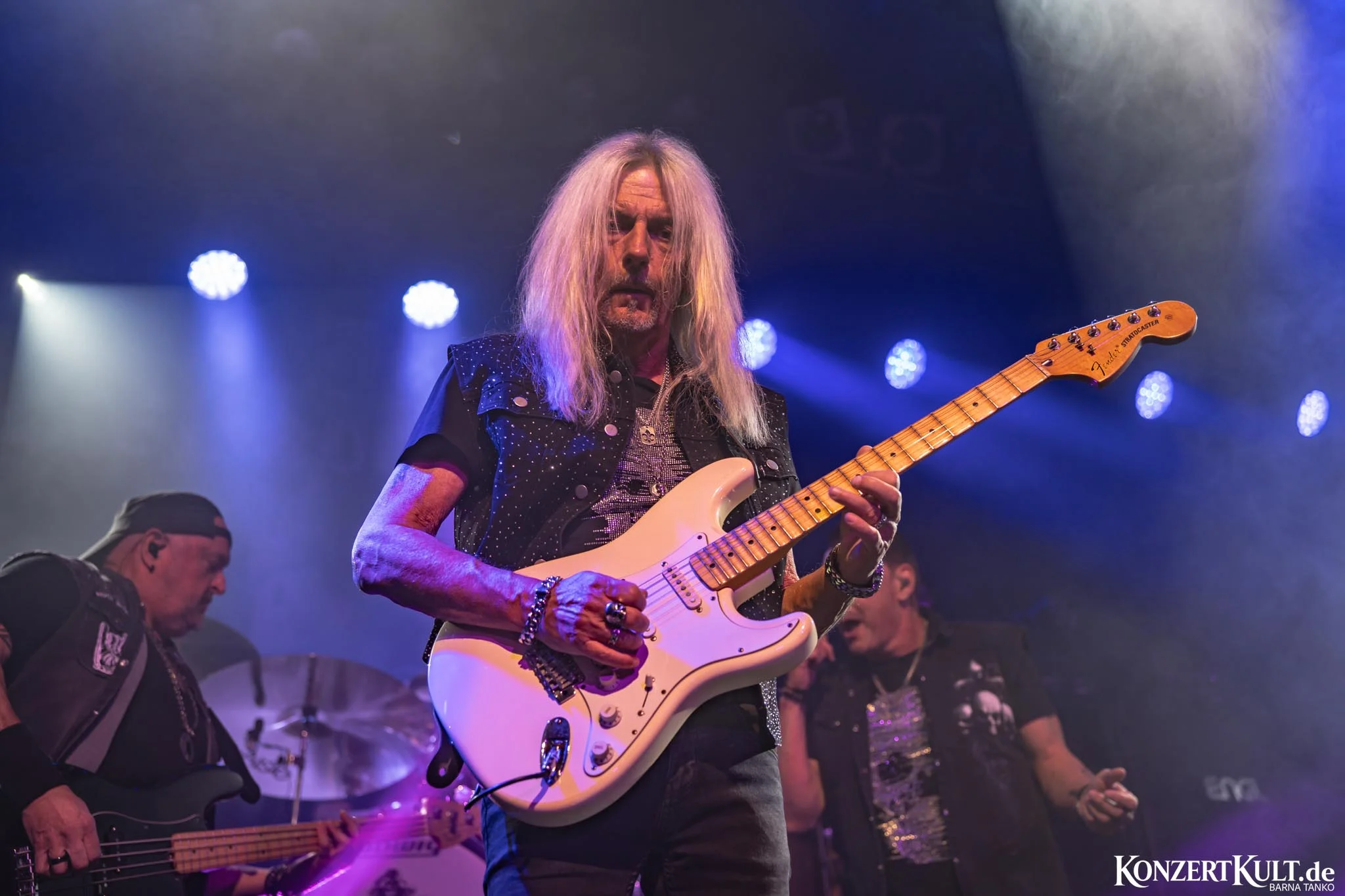
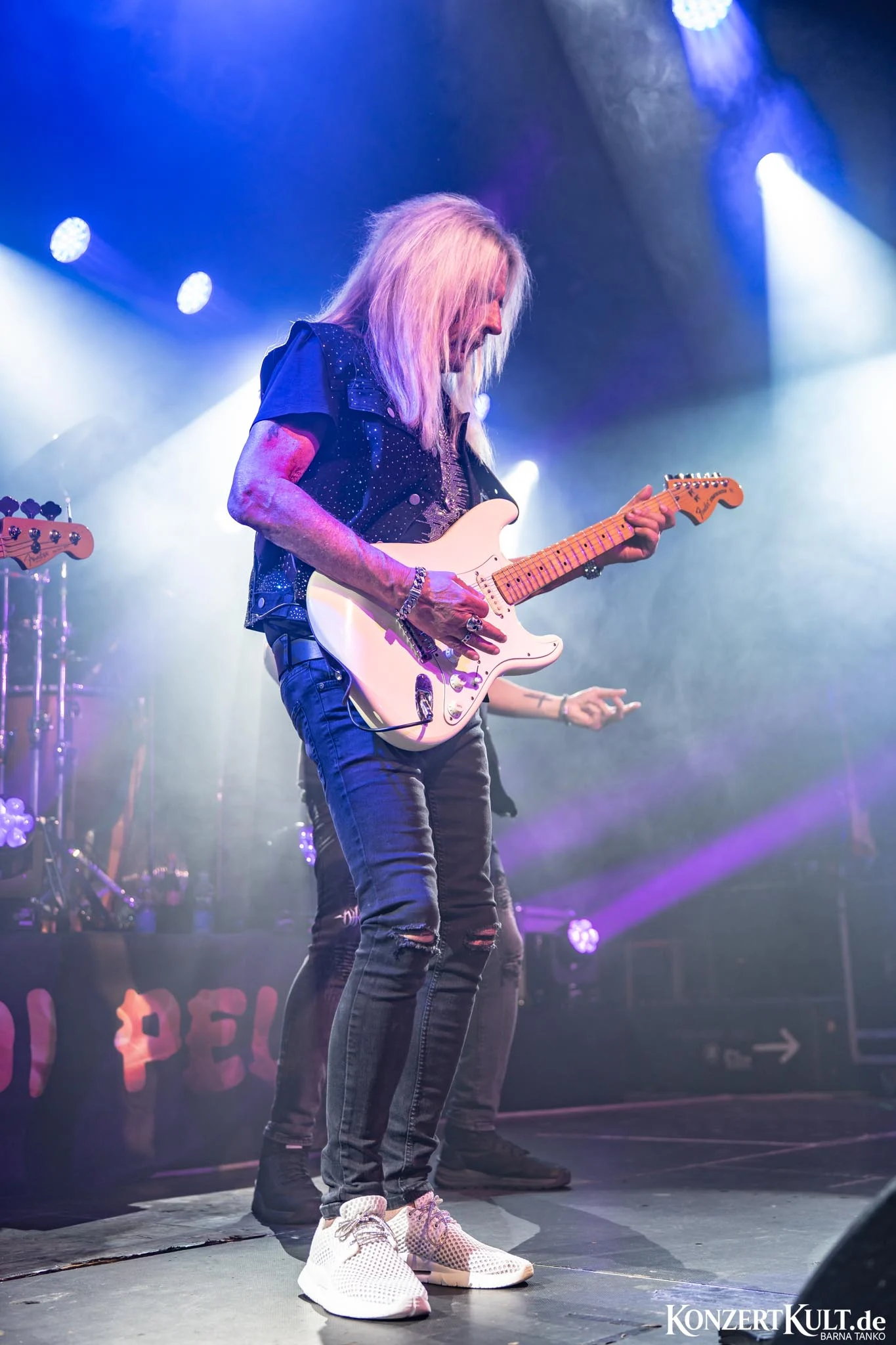
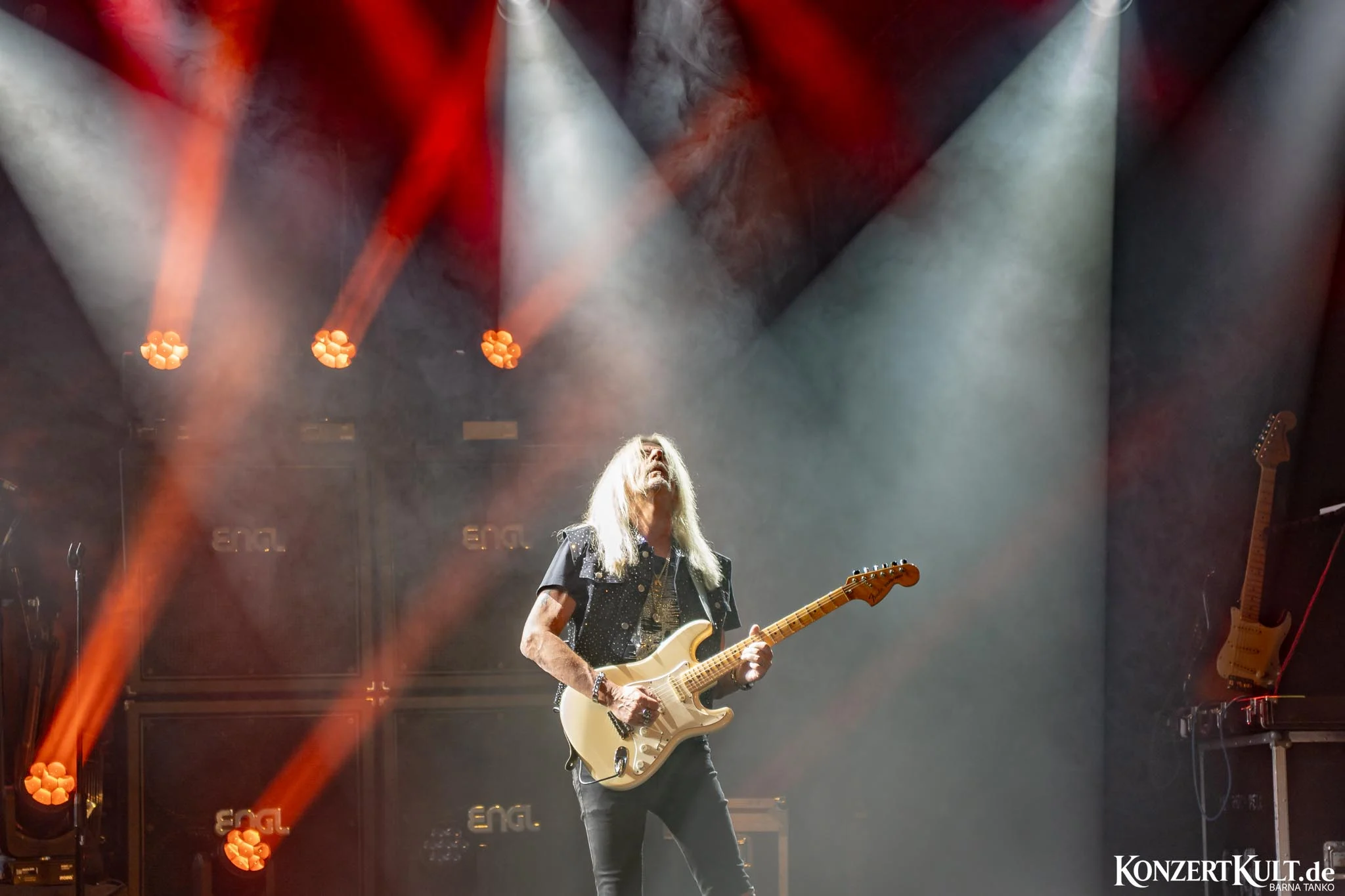
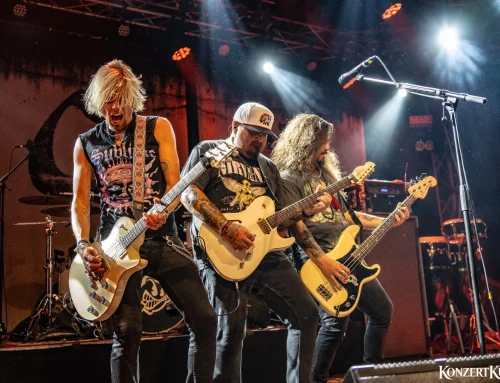
From the opening notes of “Guillotine Walk” making its live debut, the band sounded completely locked in. Pell remained composed on stage, letting his guitar do the talking with fluid, lyrical solos rather than turning every opportunity into a demonstration of speed. Even on songs such as “Mystica” and “Oceans of Time” his playing felt deliberate and melodic, with the guitar often phrased almost like another vocalist.
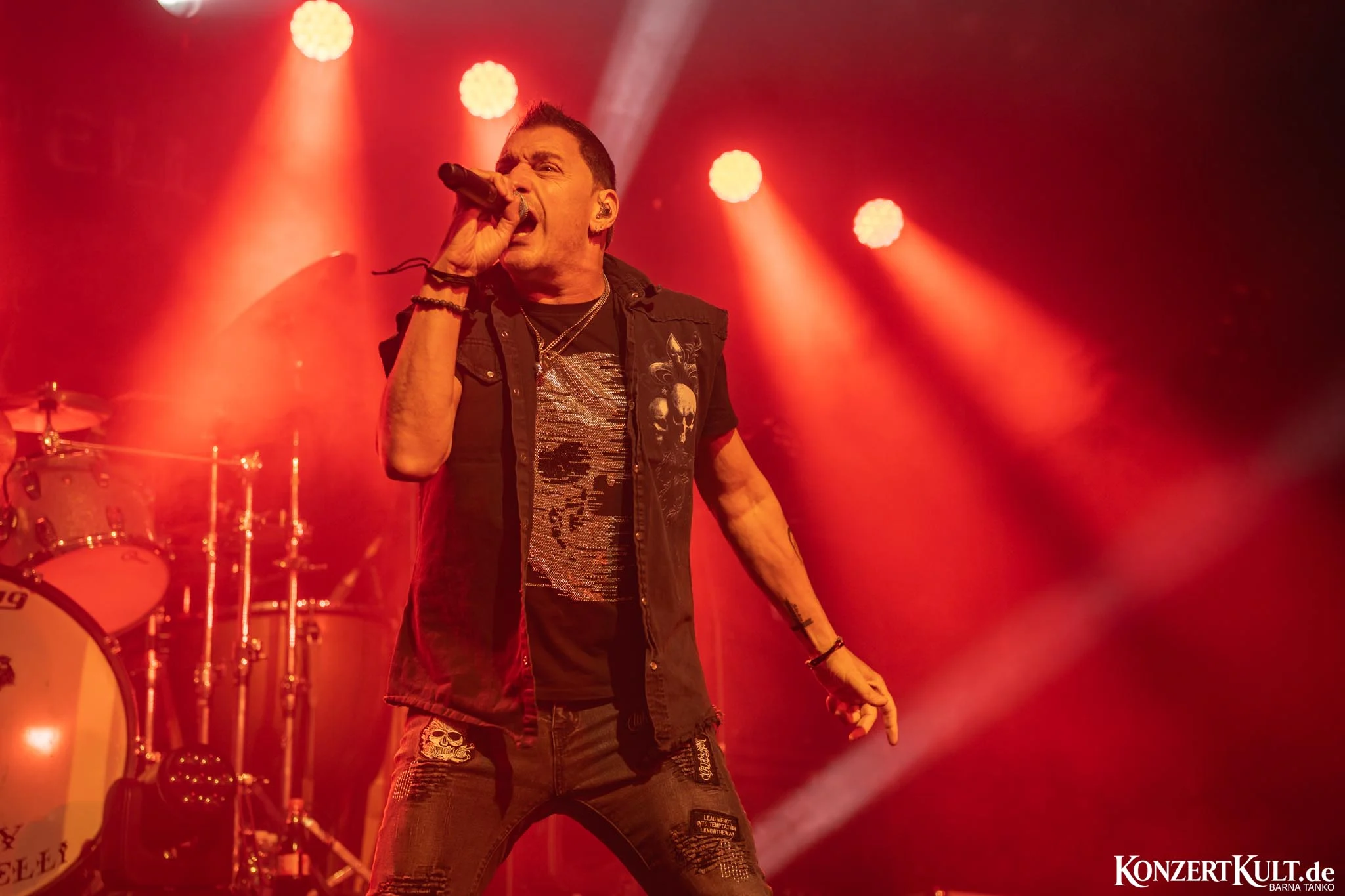
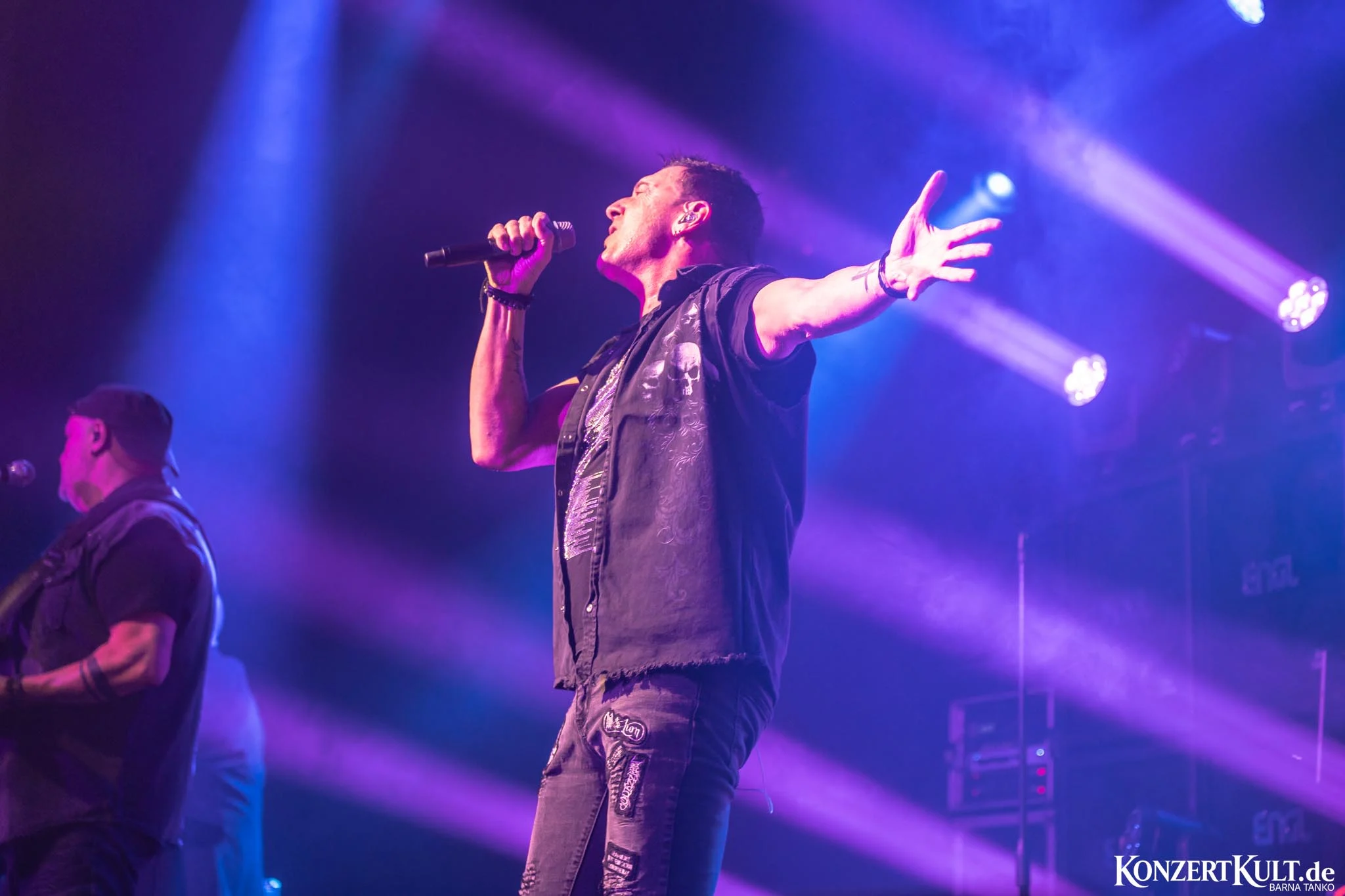
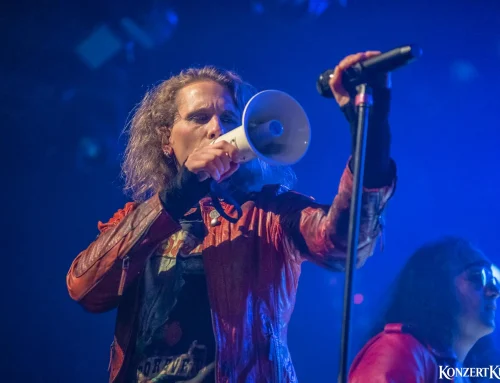
At center stage, Johnny Gioeli was the engine driving the whole thing forward. His voice has lost none of its bite, while years of experience have added even more character to it. On “Strong As a Rock,” he attacked the chorus with full force; on “Don’t Say Goodbye” he shifted effortlessly into a more emotional register.
And Gioeli doesn’t exactly stand still. He spent much of the show moving from one side of the stage to the other, throwing himself into the performance with the kind of rock-star physicality that has become increasingly rare.
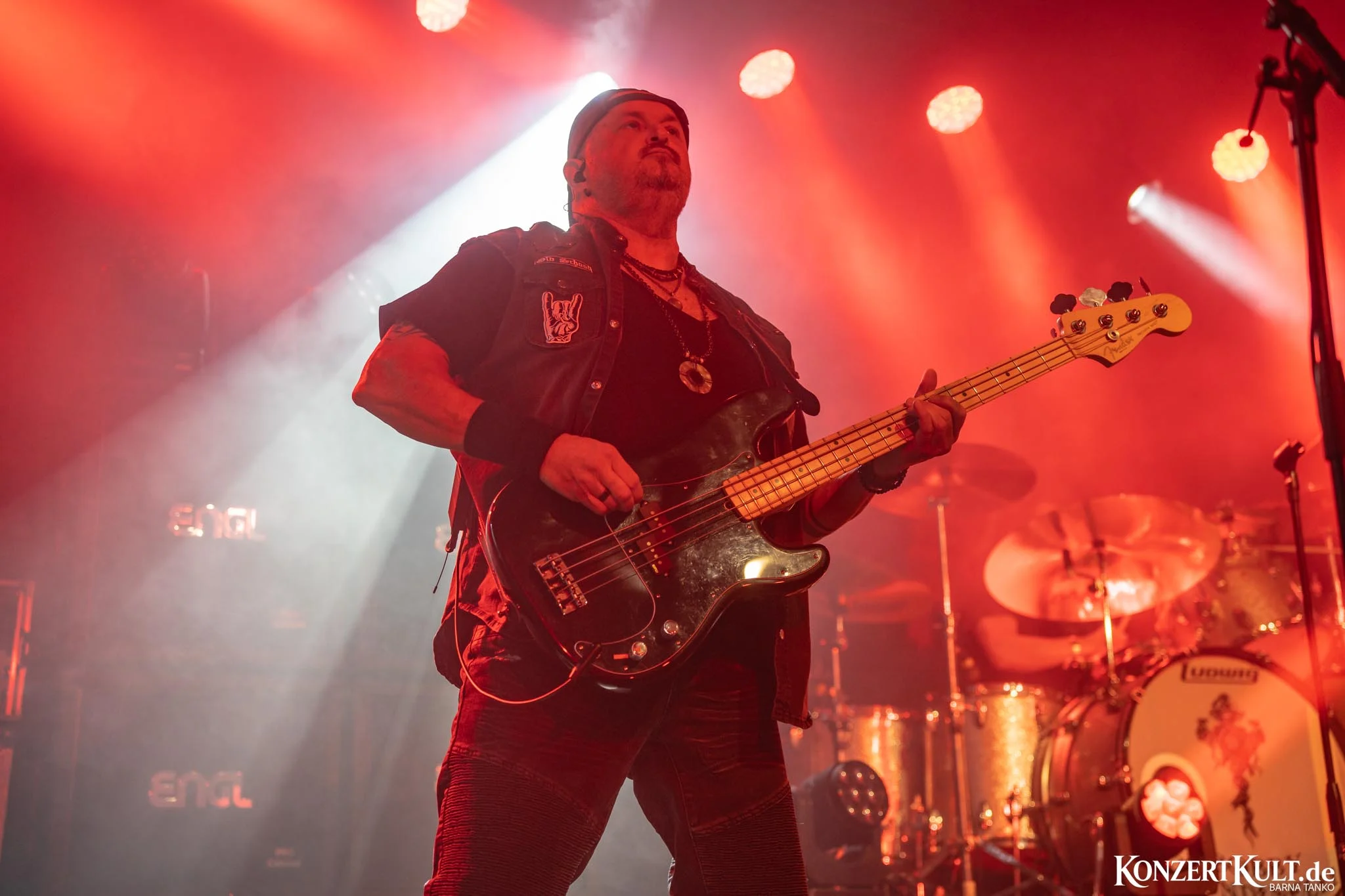
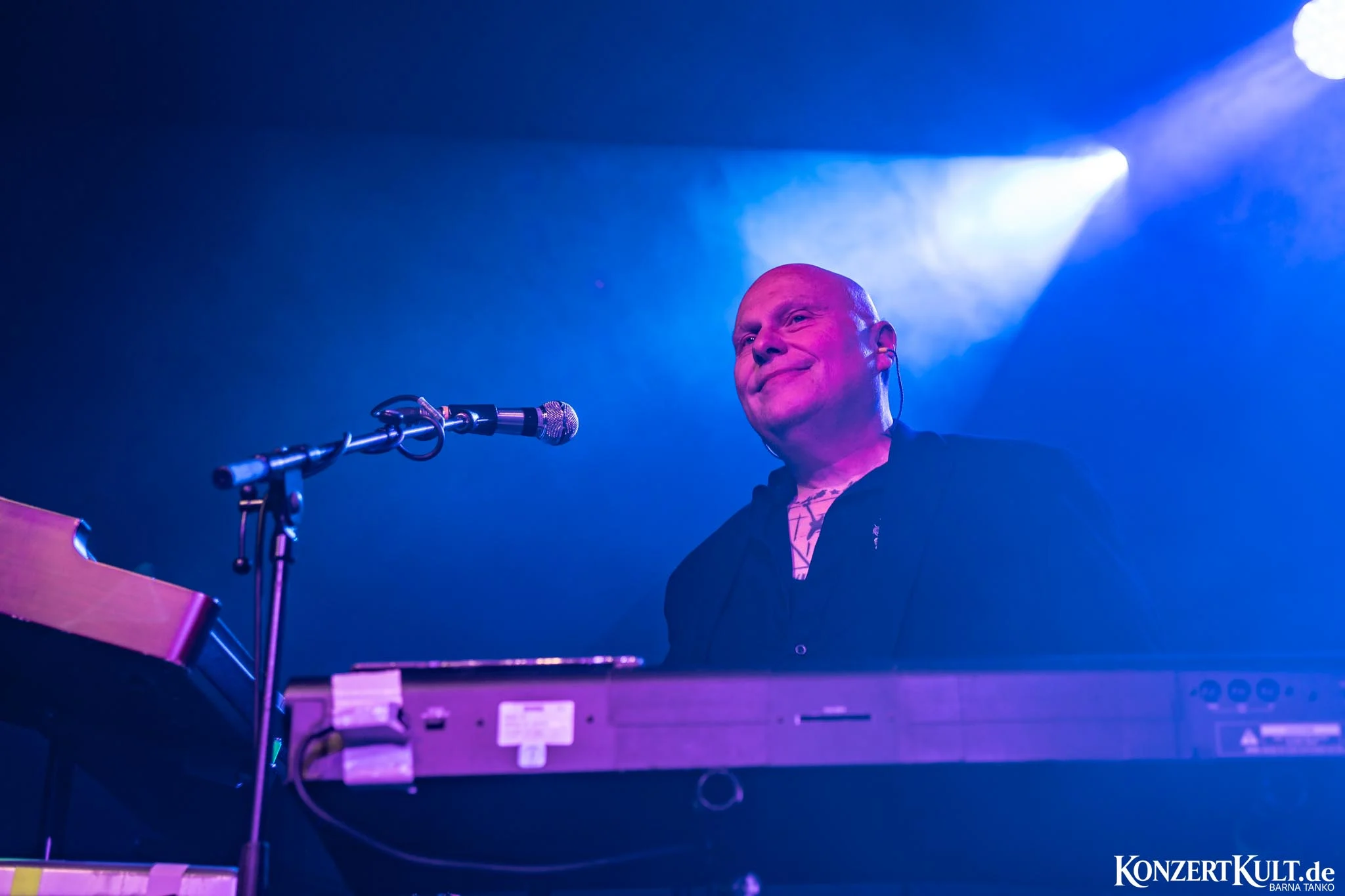
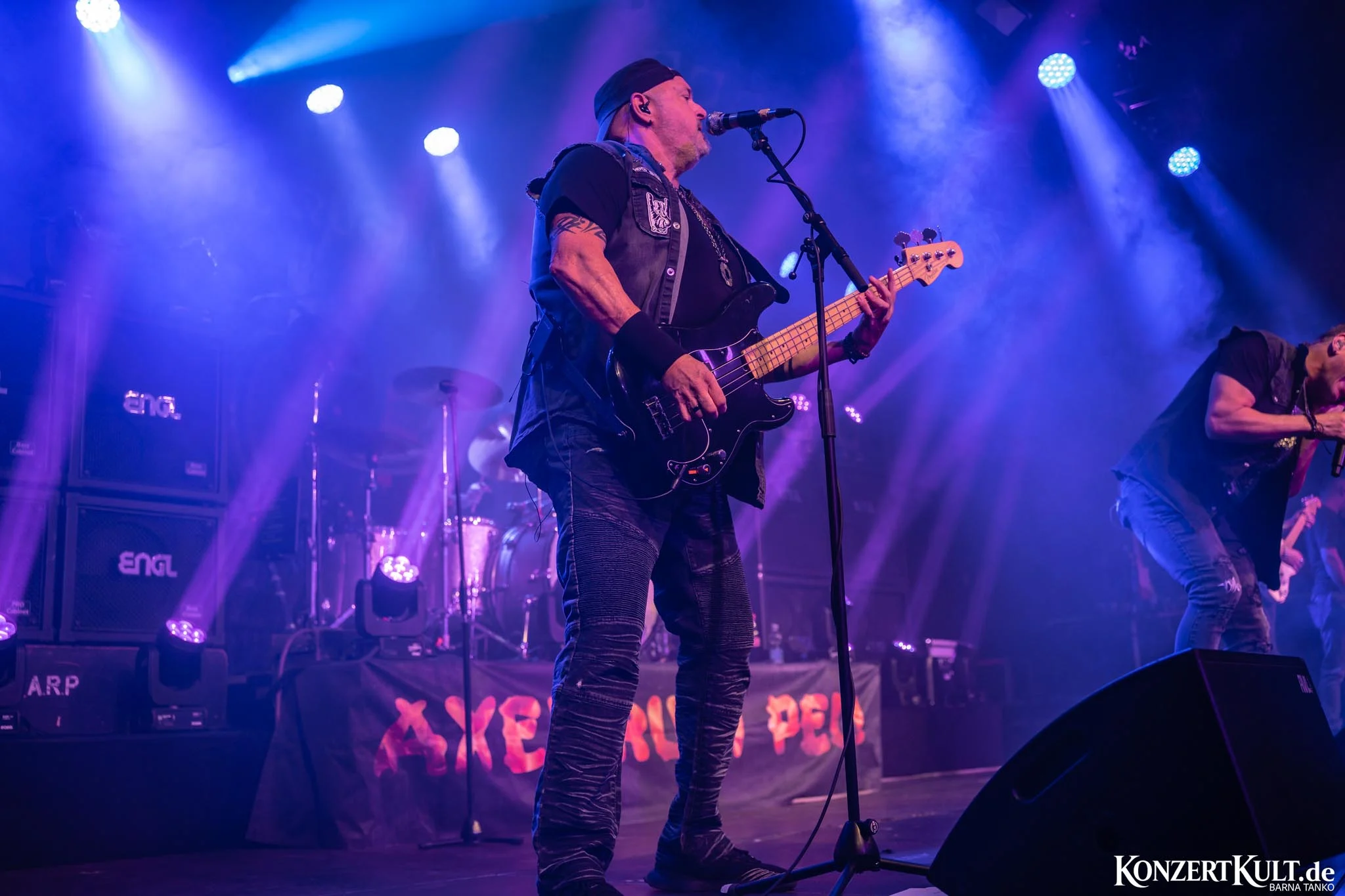
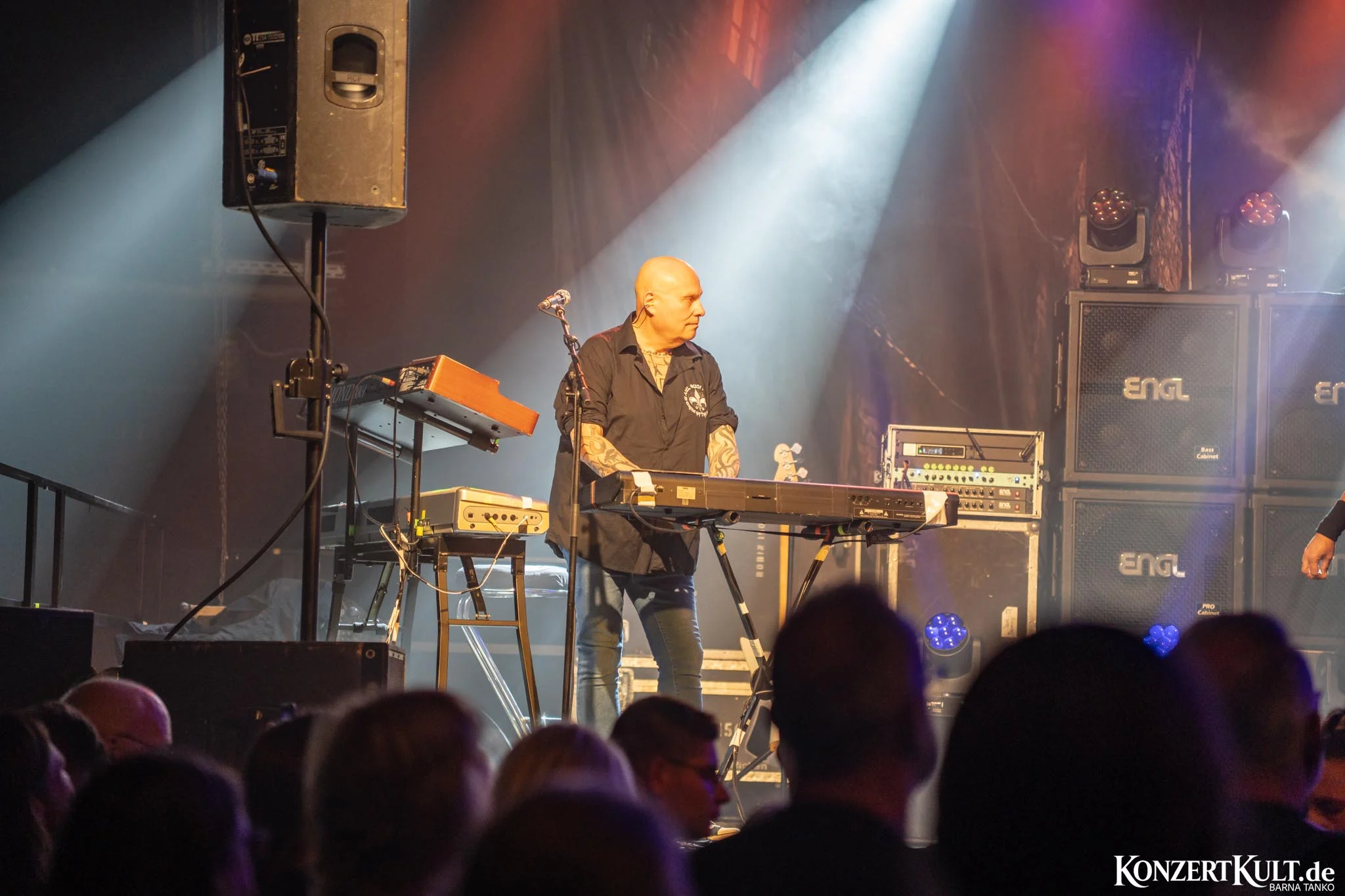
Long time band member, bassist Volker Krawczak was the understated backbone, while keyboardist Ferdy Doernberg supplied an important part of Pell’s sonic identity. On“Oceans of Time,” his atmospheric playing helped create the song’s sweeping, almost cinematic character, while his own solo incorporated the kind of neoclassical flourishes that fit naturally alongside Pell’s guitar.
The rendering of “I See Fire” originally written and recorded by Ed Sheeran was removed from its folk-pop surroundings and rebuilt around soaring guitar and keyboards, the song became something considerably darker and more dramatic—and surprisingly comfortable inside the Axel Rudi Pell universe.
During “Mystica,” Axel calmly left the stage and continued his guitar solo from the pit, before walking through the audience all the way to the FOH and then making his way back to the stage.
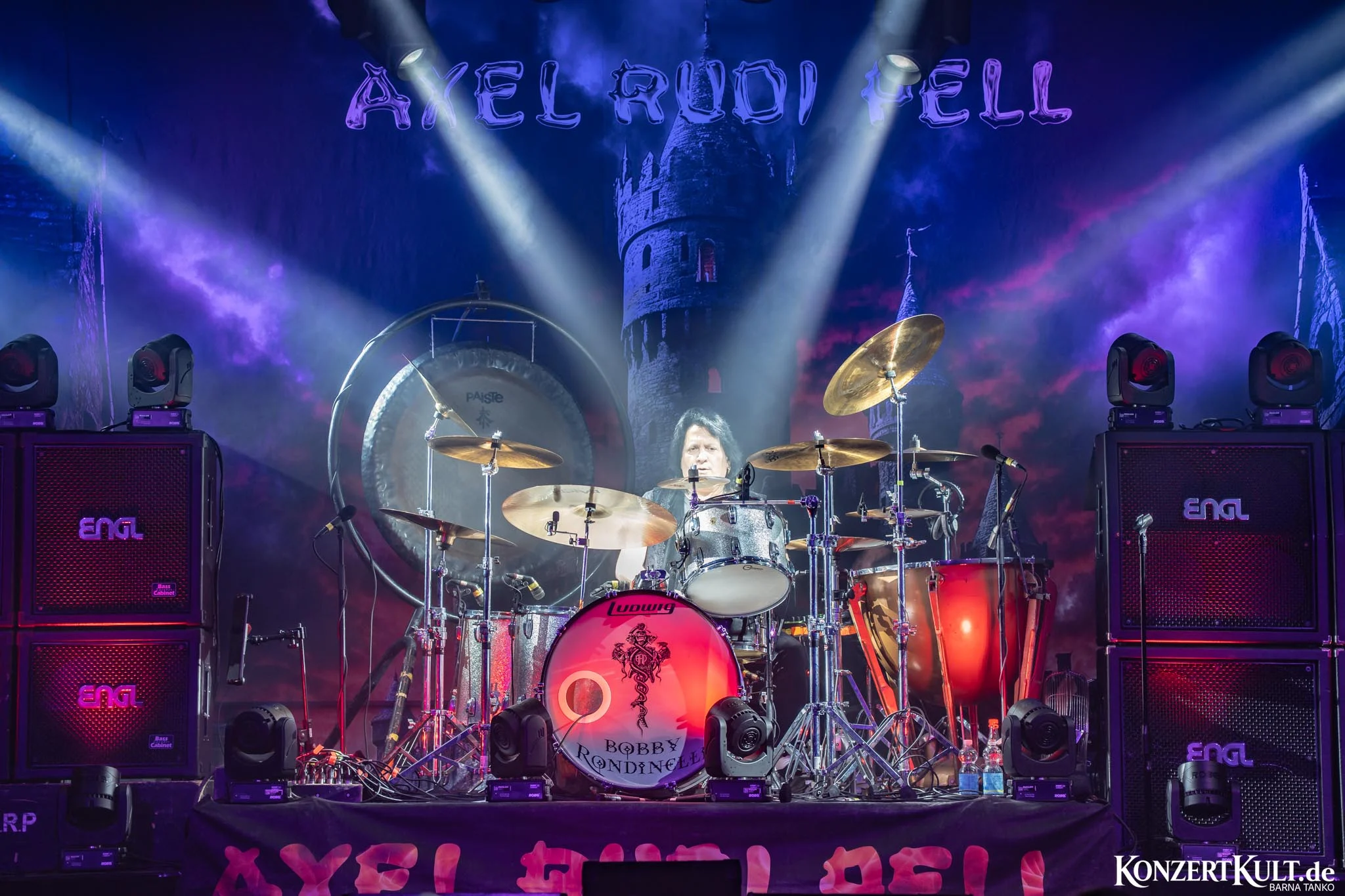
Former Rainbow drummer Bobby Rondinelli brought a muscular, disciplined groove to songs. His mid-set drum solo, following “Mystica,” could easily have become an excuse for theatrics, but instead it remained dynamic and tightly paced.
The newer material, particularly “Sanity” and “Guillotine Walk”from Ghost Town, also fitted comfortably into the set rather than sounding like an obligation to promote the latest album. That matters because Pell’s career isn’t simply a nostalgia exercise. Ghost Town, released in March 2026, is another chapter in a musical formula he has been developing for decades.
Still, it was the classics that produced the biggest emotional response.
“Forever Angel” during the encore provided the reflective moment before “Rock the Nation” brought the evening to its fists-in-the-air conclusion.
This is music firmly rooted in an earlier era. The ingredients are familiar: big riffs, melodic choruses, soaring vocals, extended guitar solos, keyboards, fantasy imagery and unapologetically traditional heavy-metal songwriting. Pell has never attempted to disguise those roots. His world is populated by wizards, knights, magic and templars rather than the angst and realism that defined other generations of rock.
Axel Rudi Pell isn’t trying to make traditional hard rock sound contemporary. He simply proves that, after more than three decades, the formula still has plenty of life—and fire—left in it.
Accreditation: Headline Music